yuux
Co-founder of DropReference, I'm here to give you the best tips to build the gaming PC of your dreams!
yuux
Co-founder of DropReference, I'm here to give you the best tips to build the gaming PC of your dreams!
- 1The short answer: a dual monitor setup that works in 2026
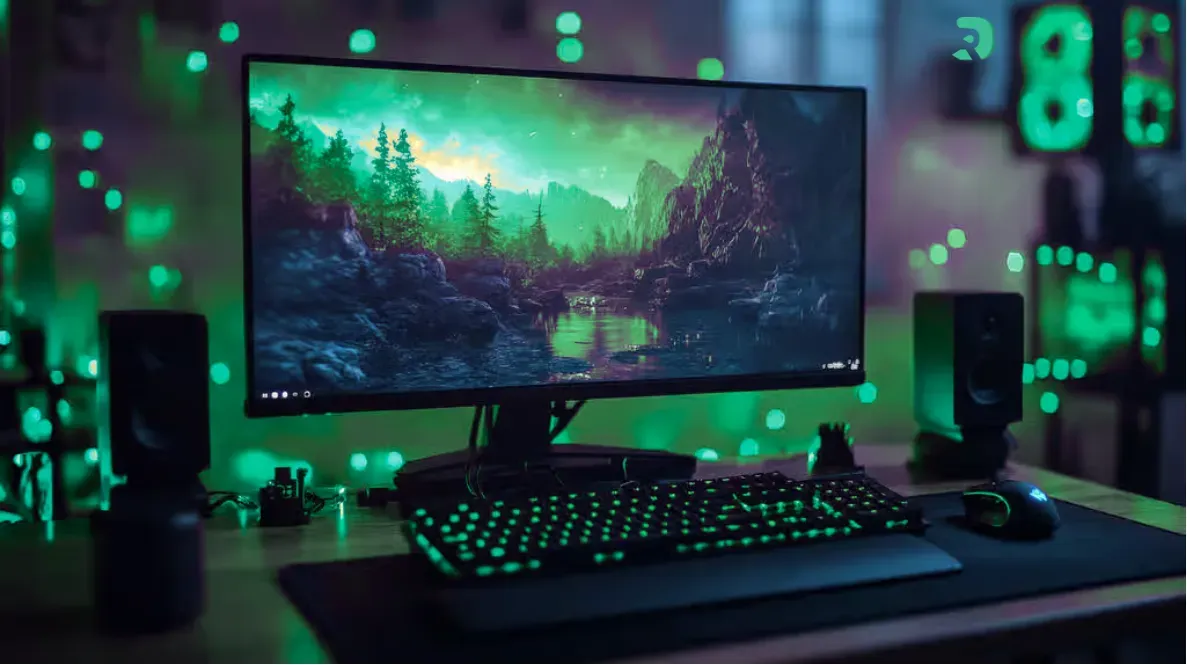
- 2Why go dual screen?
- 3Connecting two monitors: HDMI, DisplayPort, USB-C and daisy chain
- 4Setting up two monitors in Windows 11
- 5How to choose monitors for a dual screen PC
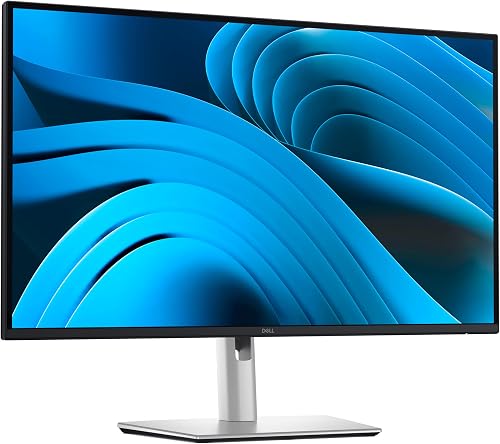
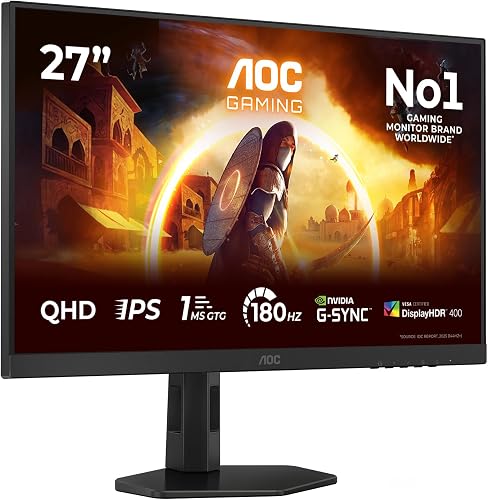
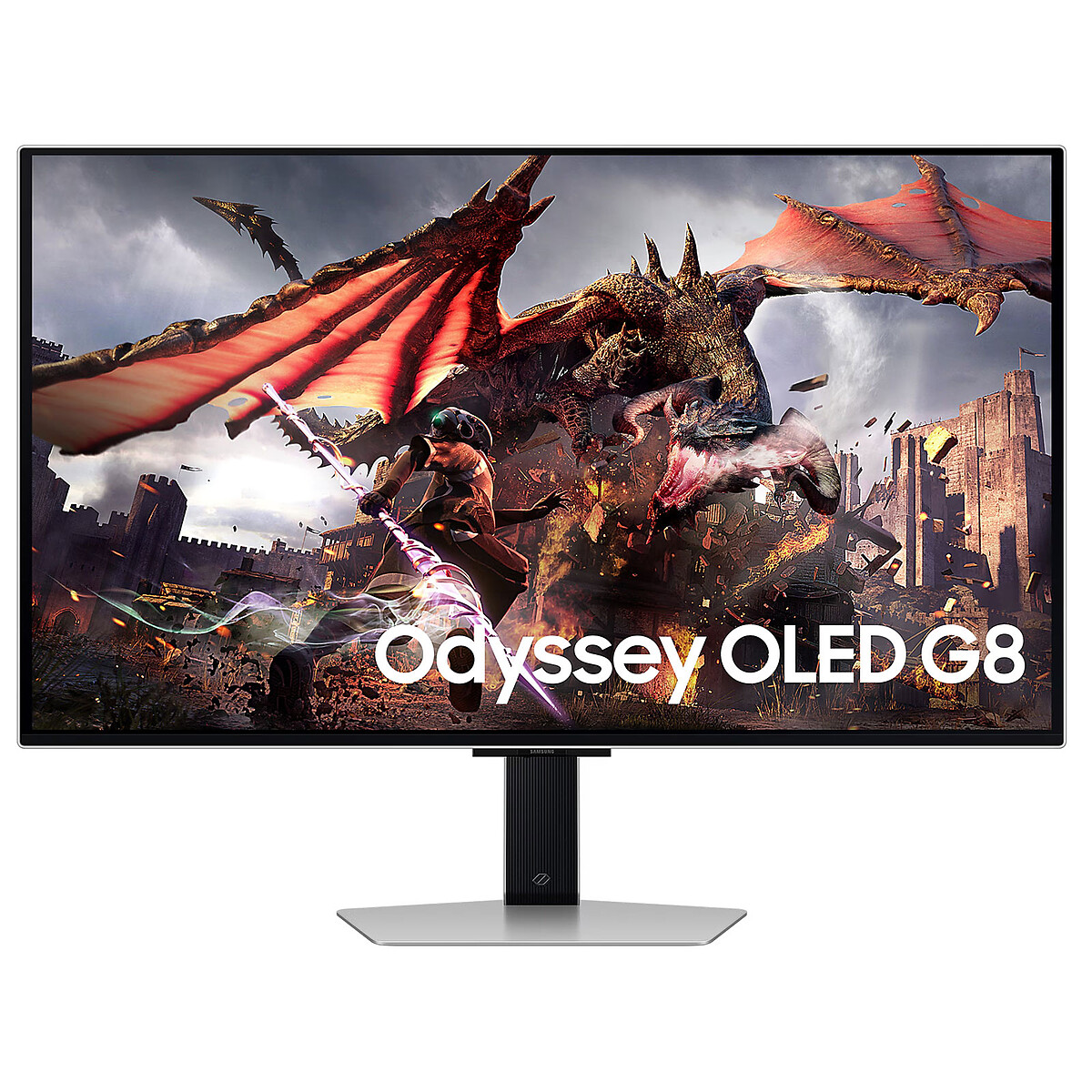
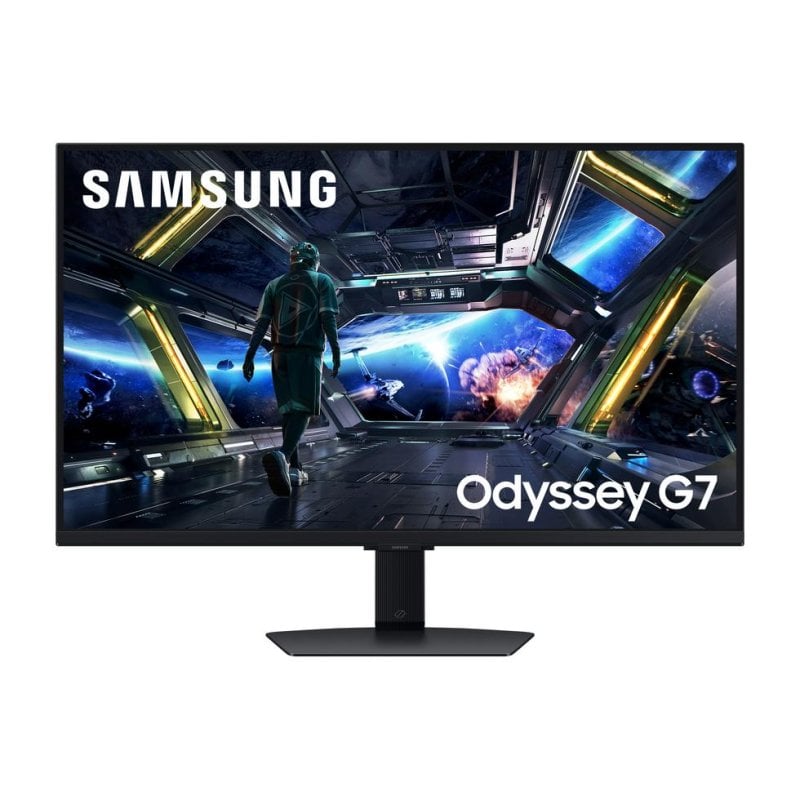
- 6Our monitor picks for a dual setup
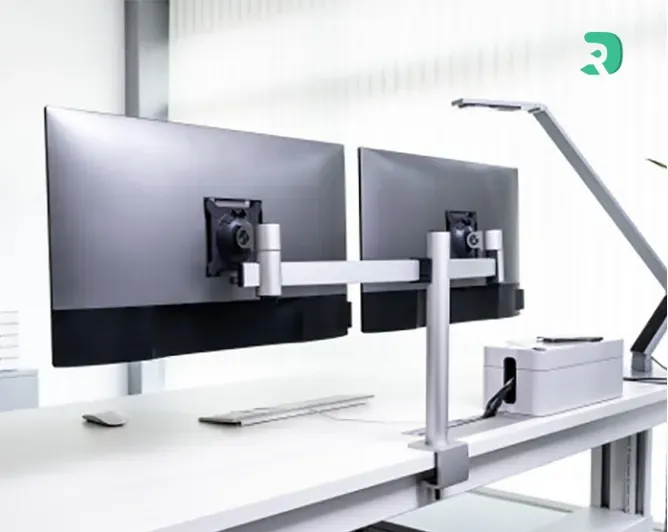
- 7Dual monitor arm or VESA stand?
- 8All monitors in stock
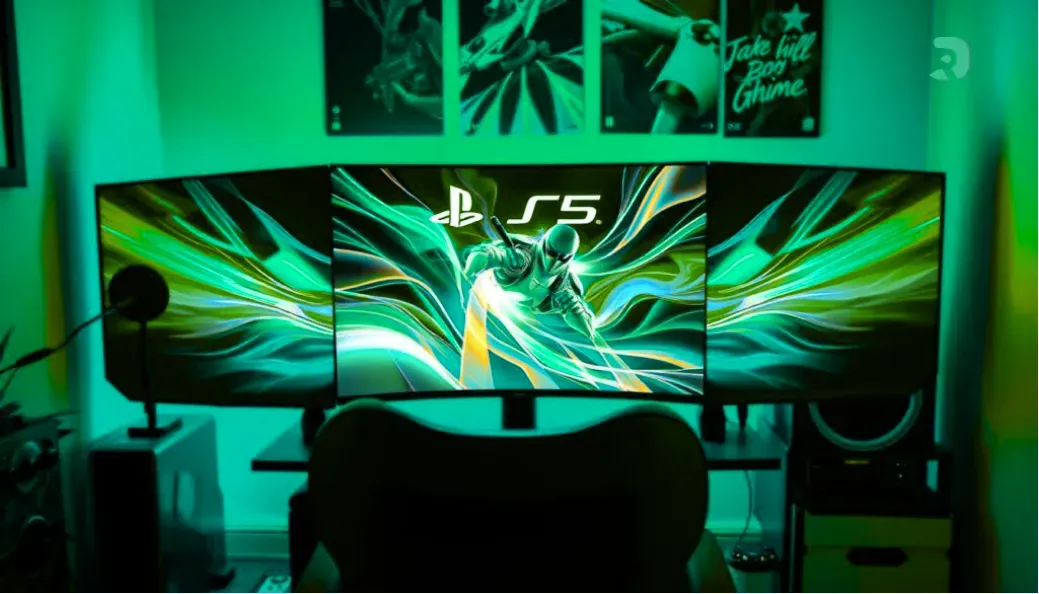
- 9Dual monitors and gaming: good or bad idea?
- 10What if your PC cannot drive two monitors?
- 11❓ FAQ: everything about dual monitors on a PC
- 12Conclusion: two well-chosen, well-configured monitors