SSD: prices will rise until 2030, warns Phison's CEO

SSD price 2026 NAND shortage PC storage

The CEO of Phison announces a minimum of four years of NAND shortage. Let's review the actual SSD prices in August 2026 and what to do with your storage budget.

Four years. That's the deadline they announce before it breathes.

€202 for the Samsung 990 PRO 1TB. €327 for the 2TB version. These are the prices recorded on DropReference this August 17, 2026, and frankly, we've almost gotten used to them. The issue is what the boss of Phison just revealed: these prices, it's not a temporary peak. It's the floor for the next four years.

Pua Khein-Seng — K.S. Pua for close friends, founder and CEO of Phison — explained to the Commercial Times Taiwanese on August 14 that NAND production will not catch up with demand for a while. And when he says a while, he means 2030.

Phison is not just anyone in storage: about 20% of the SSD controller market, 40% of automotive storage, plus a good share of server SSDs. When this guy talks about NAND shortages, he's looking at his own order books.

He thought two years. They answered him four.

The most telling anecdote from the interview is here. Pua recounts having asked executives from a NAND manufacturer how long it takes, between the decision to invest and actual mass production. His personal estimate: two years. The response he was given: four years .

The market imagines that as soon as prices rise, foundries spend billions in capex and factories spring up the following year. It doesn't work like that. A modern NAND line, it is built, it is qualified, it is ramped up in yield. By the time the capacity arrives, we are in 2030.

Concrete result: Phison is currently a "strategic" stock to ensure the supply of its enterprise SSD partners for two years. Translation: they keep the goods warm because they know they won't be able to get them later. When a player of this size starts hoarding, it's rarely a good sign for the price on the shelf.

Phison posted a record gross margin of 65.3% in the second quarter of 2026. Storage has never been so profitable — for those who sell it.

Vera Rubin can consume 20% of the global production on her own

Click to enlarge

Pua has released a figure that puts things into perspective. Nvidia's next AI platform, Vera Rubin, comes with over 20 TB of SSD per unit. If it sells tens of millions of units, it alone consumes about 20% of last year's global NAND production And this figure does not include the storage needed to host the data that these machines will produce.

That's the crux of the problem. DRAM, hyperscalers can adjust specs at the margin when it gets stuck. Storage, no. A generative or agentive AI, it consumes data, writes even more, and all of this has to land somewhere.

The shift from HDD to SSD in data centers does not help. Every terabyte migrated from a mechanical disk to flash means less NAND that will end up in a consumer SSD.

Quarter Evolution of NAND contract prices Origin
T4 2025 +60% on certain wafers (512 Gb TLC leading) TrendForce
T1 2026 +33 to 38% QoQ TrendForce
T2 2026 +70 to 75% QoQ TrendForce
Q3 2026 +10 to 15% QoQ TrendForce (July 2026)
NAND TLC 1 Tb $4.80 (Jul. 2025) → $10.70 (Nov. 2025) Phison
8 GB eMMC ~$1.50 (early 2025) → ~$20 Phison
Swipe to view more

The slowdown in Q3 is not good news in disguise. If the increase goes from +75% to +12%, it is simply because PC and smartphone customers have reached their solvency limit. Prices are not dropping: they just stop rising as fast because no one can keep up anymore.

The case of the 8GB eMMC is the most violent of the lot. A chip that went from $1.50 to around twenty dollars, with automotive grade that approaches $30. On a $1.50 chip, no one was calculating. At $20, it questions the entire product design.

Small builders will fall before the end of the year

Pua went further than just the question of prices. According to him, many manufacturers of consumer electronics will go bankrupt or abandon entire ranges by the end of 2026, unable to secure memory. He is talking about a veritable massacre among assemblers.

Its numerical forecast: between 200 and 250 million fewer smartphones in global production, with serious cuts on the PC and TV side.

The reason is arithmetic. Memory accounts for more than 20% of the manufacturing cost of a smartphone, compared to 5 to 6% for a server. When the price of NAND triples, the server manufacturer shrugs and pays. The €200 phone maker, on the other hand, cannot. Guess who gets the allocation.

  • Servers and data centers — pay the high price without flinching, served first
  • Smartphones and laptops — revised capacities downward, increases passed on
  • Entry-level consumer SSD — the sacrificed segment, margins too low
  • Consoles and handhelds — same NAND pool, same voltage

Phison itself is taking the turn: enterprise SSDs should represent 20 to 30% of its turnover in 2026, as part of its "Phison 3.0" initiative focused on AI storage. In other words, the company that manufactures the controllers for your gaming SSD is looking elsewhere.

What it amounts to today, in euros, at retailers

Enough theory. Here are the minimum prices observed on the DropReference comparator on August 17, 2026, all shops combined. That's the starting point for the next four years if Pua is right.

Model Capacity Interface Lowest Price Found
fanxiang S501 512 GB PCIe 3.0 51 €
MSI Spatium M452 500 GB PCIe 4.0 87 €
SanDisk SN3000 2 Days PCIe 4.0 121 €
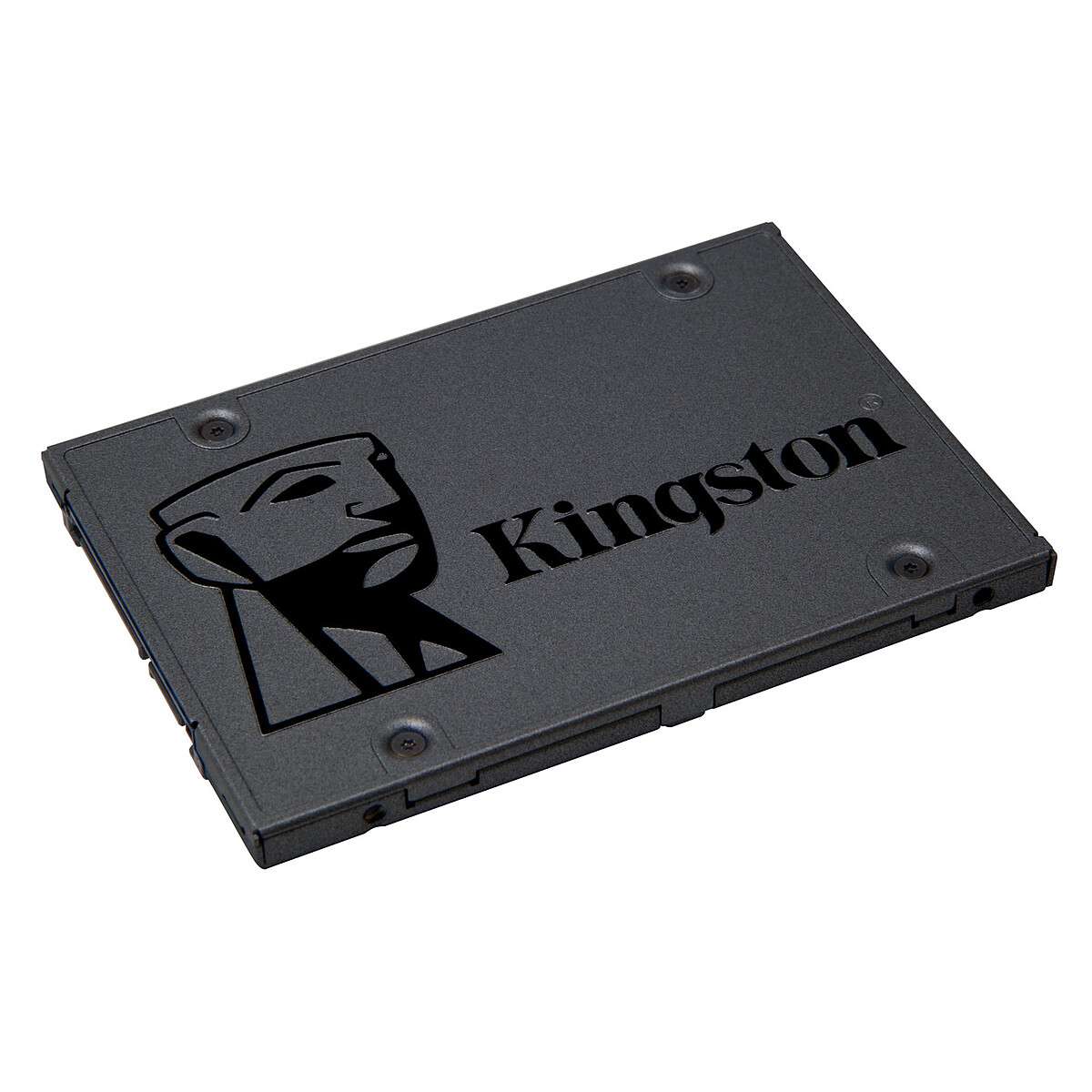
Crucial BX500 (SATA 2.5") 2 Days SATA 140 €
Lexar NQ790 1 To PCIe 4.0 150 €
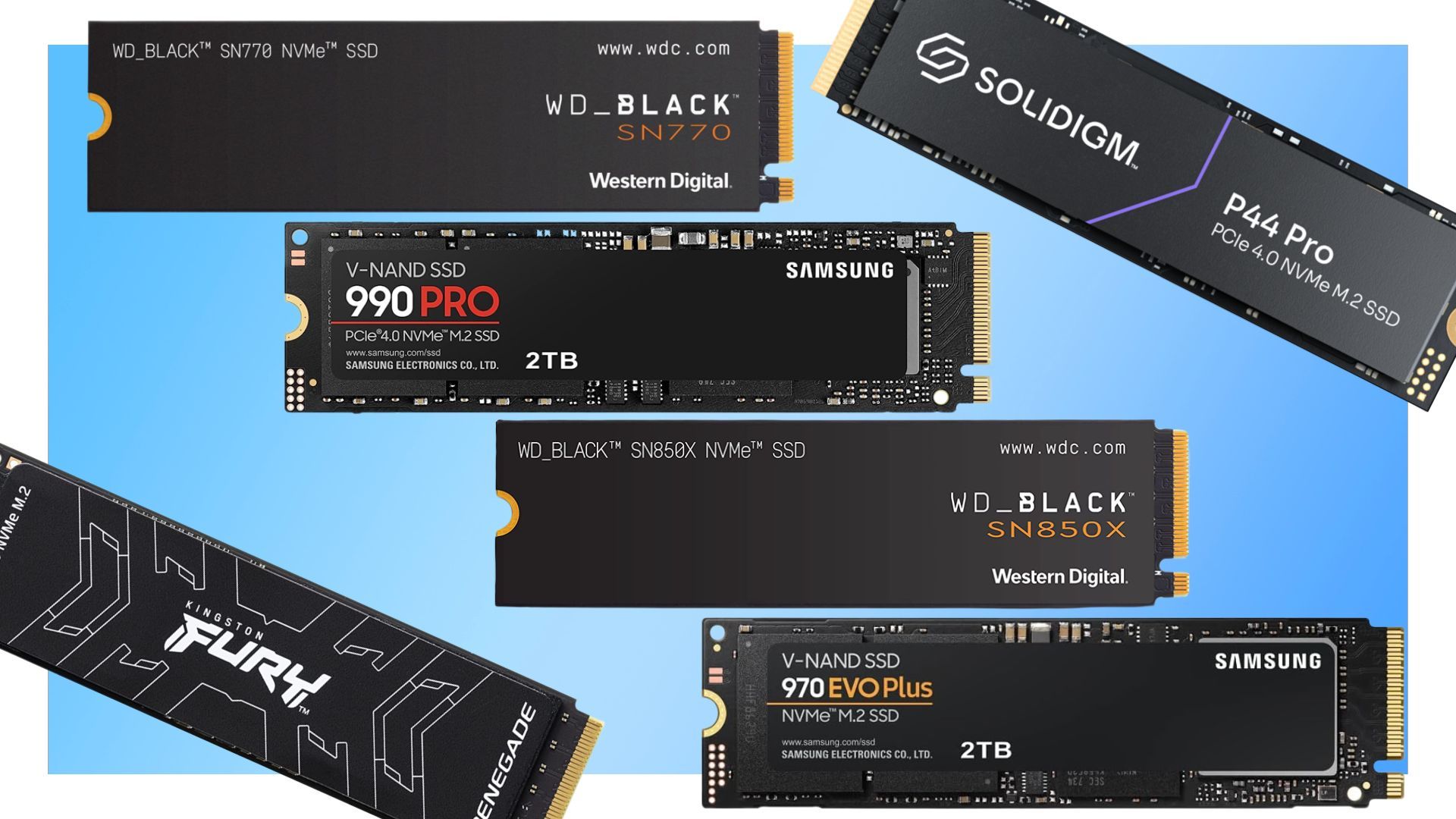
WD Black SN770 1 To PCIe 4.0 165 €
Crucial P510 1 To PCIe 5.0 170 €
Samsung 990 EVO Plus 1 To PCIe 4.0 180 €
Crucial E100 2 Days PCIe 4.0 199 €
Samsung 990 PRO 1 To PCIe 4.0 202 €
Samsung 9100 PRO 1 To PCIe 5.0 225 €
Kioxia Exceria G3 2 Days PCIe 5.0 249 €
Crucial T705 2 Days PCIe 5.0 255 €
WD Black SN850X 2 Days PCIe 4.0 289 €
Samsung 990 PRO 2 Days PCIe 4.0 327 €
Samsung 9100 PRO 2 Days PCIe 5.0 364 €
Samsung 990 EVO Plus 4 Days PCIe 4.0 522 €
Swipe to view more

Two things stand out. First, the price per terabyte has become inconsistent across models: the SanDisk SN3000 2TB at €121 is almost half the price of the WD Black SN850X of the same capacity. In a tight market, it is the remaining stocks that make good deals, not the range.

Then, PCIe 5.0 is no longer the luxury supplement we imagined. The Crucial P510 1TB at €170 falls below the previous generation Samsung 990 EVO Plus at €180. On this specific point, the crisis has at least had the merit of reshuffling the cards.

Choose your delivery country to see prices based on your location

Filters

Disque Dur SanDisk SN3000 2050GB M.2 SSD PCIe NVMe 5000MB/s Lecture

117€

(2 Vendors)
Brand: Sandisk
Comfortable capacity
Samsung 990 PRO M.2 NVMe 1TB Black

189€

(17 Vendors)
4 (1)
Brand: Samsung
Top brand Fast! Good capacity
Samsung 990 PRO 2TB NVMe M.2 Black

339€

(17 Vendors)
4 (1)
Brand: Samsung
Top brand Fast! Comfortable capacity
SanDisk SDSSDA3N-2T00-G26 2TB Black M.2 2280

157€

(6 Vendors)
Brand: Sandisk
Fast and budget-friendly Comfortable capacity
Samsung 990 EVO Plus M.2 NVMe 1TB Black

185€

(16 Vendors)
4 (2)
Brand: Samsung
Top brand Fast! Good capacity
Crucial CT2000E100SSD8 2TB NVMe M.2 Black

199€

(13 Vendors)
Brand: Crucial
Top brand Fast! Comfortable capacity
Lexar LNQ790X001T-RNNNG 1TB NVMe M.2 Black

161€

(10 Vendors)
Brand: Lexar
Good brand Fast! Good capacity
Crucial BX500 2TB 2.5-inch SATA SSD

140€

(12 Vendors)
Brand: Crucial
Top brand Less fast Comfortable capacity
fanxiang S501 512GB NVMe M.2 2280 PCIe Gen3x4

51€

(5 Vendors)
Brand: Fanxiang
Variable quality Minimum gaming capacity
Samsung SSD 990, Interne M.2 NVMe SSD Festplatte, 1TB, PCIe 4.0 x4

171€

(16 Vendors)
Brand: Samsung
Top brand Good capacity
Western Digital WD Black 1TB M.2 PCIe 4.0 NVMe

159€

(11 Vendors)
4 (2)
Brand: Western Digital
Top brand Fast! Good capacity
Samsung 9100 PRO 1TB PCIe 5.0 Black

209€

(18 Vendors)
3 (1)
Brand: Samsung
Top brand Super fast! Good capacity
Western Digital WD Black SN850X M.2 2TB NVMe

300€

(10 Vendors)
Brand: Western Digital
Top brand Fast! Comfortable capacity
Crucial P510 1TB PCIe 5.0 NVMe M.2

175€

(3 Vendors)
4 (1)
Brand: Crucial
Top brand Super fast! Good capacity
Kioxia Exceria G3 2TB M.2 PCIe Gen5 NVMe

255€

(7 Vendors)
Brand: Kioxia
Good brand Super fast! Comfortable capacity
Crucial CT2000T705SSD5 Black 2TB NVMe Gen5 M.2

255€

(4 Vendors)
Brand: Crucial
Top brand Super fast! Comfortable capacity
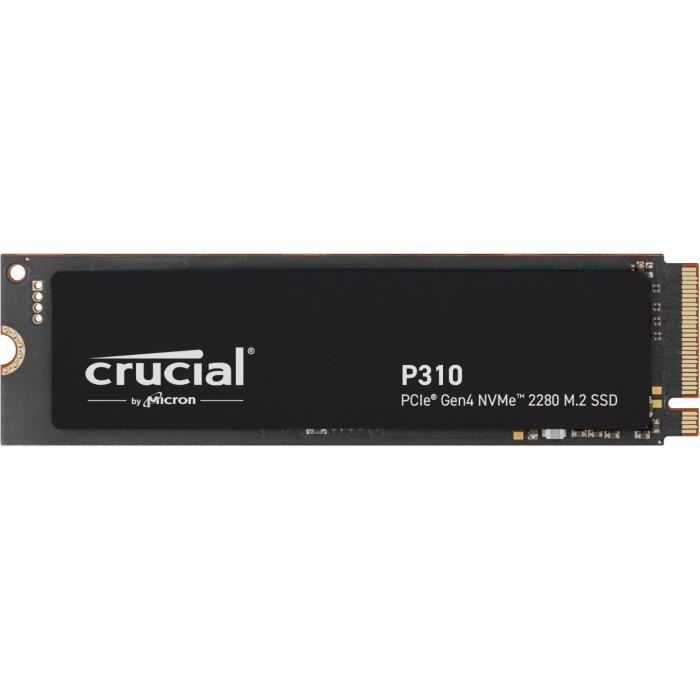
Crucial P310 2TB PCIe Gen4 NVMe M.2 Black

250€

(6 Vendors)
Brand: Crucial
Top brand Fast! Comfortable capacity
Crucial P310 1TB NVMe Gen4 SSD M.2 2280

169€

(7 Vendors)
3.5 (2)
Brand: Crucial
Top brand Fast! Good capacity
Samsung 9100 PRO 2TB NVMe M.2 Black

370€

(14 Vendors)
3 (1)
Brand: Samsung
Top brand Super fast! Comfortable capacity
Crucial MTFDDAK512TBN-1100 512GB 2.5in SATA SSD Black

55€

(2 Vendors)
Brand: Crucial
Top brand Less fast Minimum gaming capacity
Western Digital WDS200T4G0E 2TB PCIe Gen4 M.2 Green

225€

(10 Vendors)
Brand: Western Digital
Top brand Fast! Comfortable capacity
Crucial CT2000T705SSD5A 2TB PCIe 5.0 M.2 White

255€

(1 Vendors)
Brand: Crucial
Top brand Super fast! Comfortable capacity
MSI 500Go M.2 NVMe Gen4 - SPATIUM M452

87€

(4 Vendors)
Brand: MSI
Interesting brand Fast! Minimum gaming capacity
Kingston NV3 1TB NVMe PCIe Gen4x4 Blue

148€

(15 Vendors)
2 (1)
Brand: Kingston
Good brand Good capacity
Crucial P310 2TB M.2 NVMe PCIe 4.0

249€

(9 Vendors)
Brand: Crucial
Top brand Fast! Comfortable capacity

Should we buy now? Yes, but not just any way

We will be clear: waiting for a decrease in 2027 is a bet that no available data supports today. TrendForce forecasts go up to mid-2027 with quarterly increases, certainly softer, but increases nonetheless. And Phison talks about 2030.

It doesn't mean emptying your account tonight. It means stopping waiting for the right moment, because it's probably behind us.

  • Buy the capacity you need, no more — the price per Ton will not be more advantageous by moving upmarket as before
  • Monitor remaining stocks — end-of-life models like SanDisk SN3000 are the only real deals at the moment
  • SATA remains an option — 140 € for 2 TB in BX500, it's slow in sequential but it stores your games without flinching
  • Avoid the 512 GB — 51 € for a fanxiang, it's tempting, but you'll be cramped in six months
  • Keep your old SSD — recycling it as a secondary disk costs zero euros

One last point, and it is important: the prices above are snapshots at a given time on a market that moves every week. Check before buying, a discount can disappear in 48 hours.

Frequently Asked Questions

Will SSD prices really rise until 2030?

This is what the CEO of Phison declares, based on the actual construction times of new NAND capacities (four years between investment and mass production). It remains a forecast, issued by a company that has an interest in valuing its stocks. But it aligns with TrendForce data, which anticipate quarterly increases at least until mid-2027.

Why is NAND so in demand?

AI. Training and inference platforms embed dozens of terabytes of SSD per node, and data centers are massively replacing hard drives with flash. Nvidia's Vera Rubin platform alone could absorb about 20% of the global annual NAND production.

Are SATA SSDs spared?

No, the NAND is the same. They remain generally cheaper per terabyte because the controller and PCB cost less, but they have increased like the others. A 2TB SATA around €140, it's already far from the prices of 2024.

Should we go back to mechanical hard drive?

For cold storage - archives, backups, multimedia library - it still makes sense. For your system and games, no: loading times and texture streaming technologies in recent games assume you are on NVMe.

Do manufacturers agree on prices?

The question has been circulating a lot since the complaints against DRAM manufacturers. Regarding NAND, nothing is legally established at this stage. What is documented, however, is that production capacities have not been increased despite the surge in demand, and foundries publicly assume this caution.

What needs to be remembered

Phison's message is brutal in its simplicity: no one can manufacture NAND faster, AI takes everything, and it will take until 2030 for supply to catch up with demand. In the meantime, consumer SSDs remain the adjustment variable of a market that makes much more money elsewhere.

So yes, €202 for 1 TB, it stings when we remember what it cost two years ago. But if the forecast proves correct, it's the kind of price we'll regret in 2028.