yuux
Co-founder of DropReference, I'm here to give you the best tips to build the gaming PC of your dreams!
yuux
Co-founder of DropReference, I'm here to give you the best tips to build the gaming PC of your dreams!
- 1Which external SSD should you choose in 2026?
- 210 or 20 Gbps: the port matters more than the SSD
- 3Samsung T9: the fastest on a Gen 2x2 PC
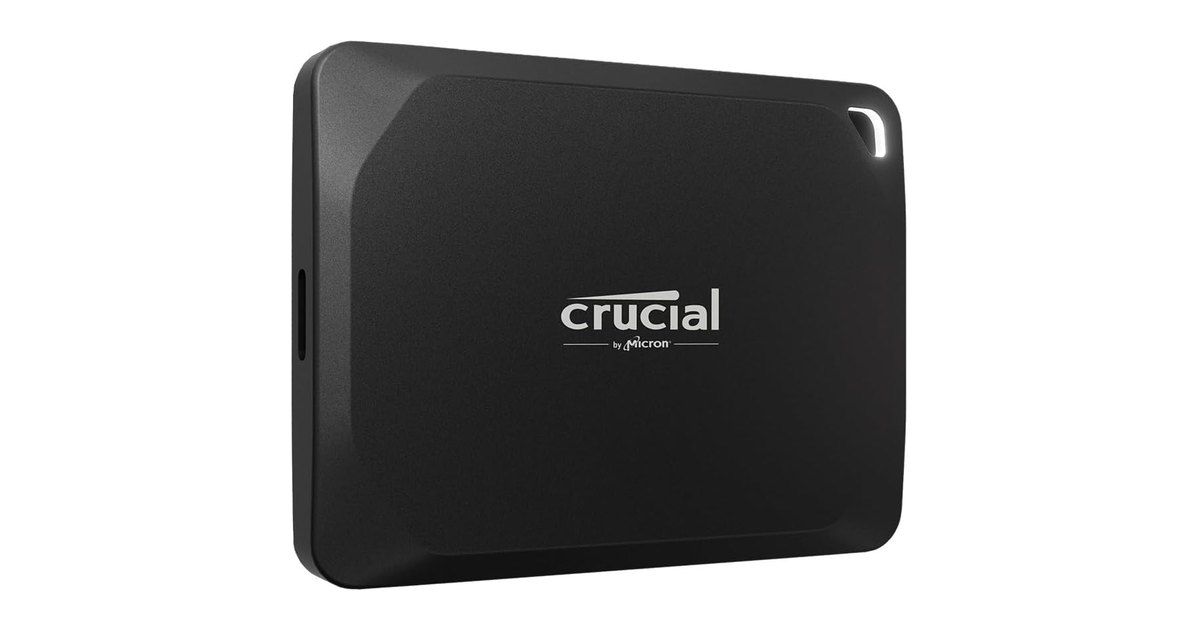
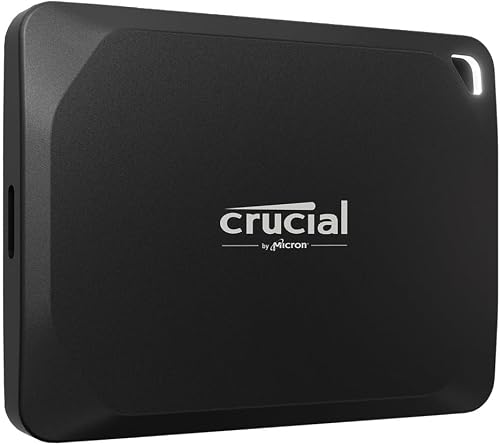
- 4Crucial X10 Pro: T9 speed in a pocket-sized body
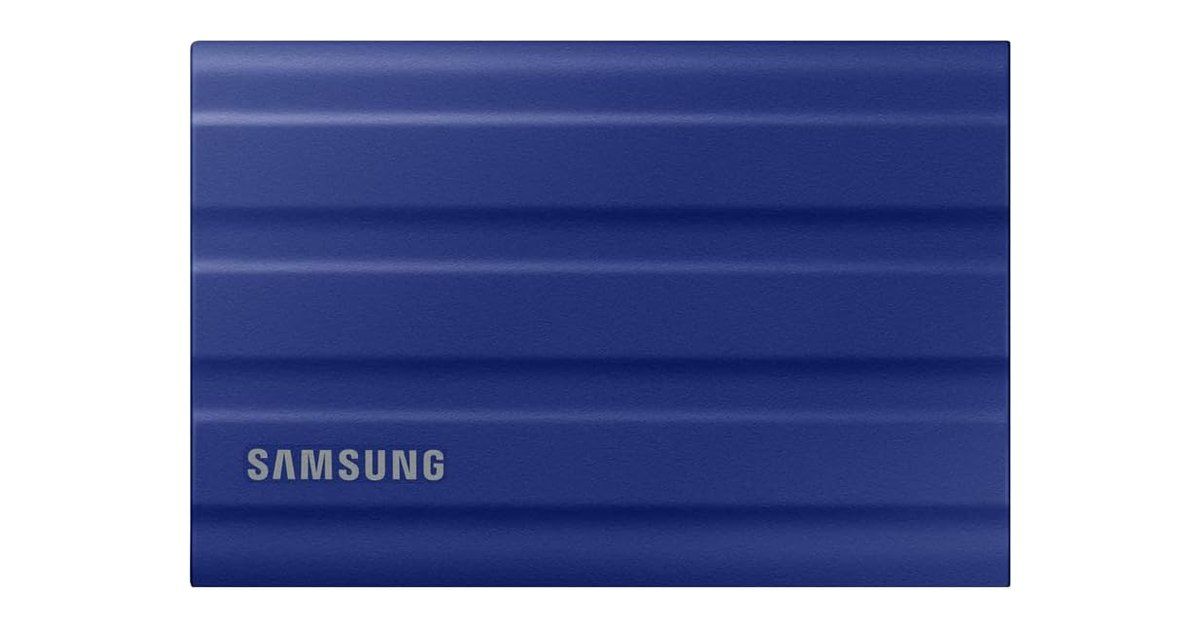
- 5Samsung T7 Shield: the IP65 all-terrain drive
- 6Samsung T7: the compact classic for consoles and Macs
- 7SanDisk Extreme: the versatile IP65 drive with a carabiner loop
- 8Crucial X9: the pocket format at 10 Gbps
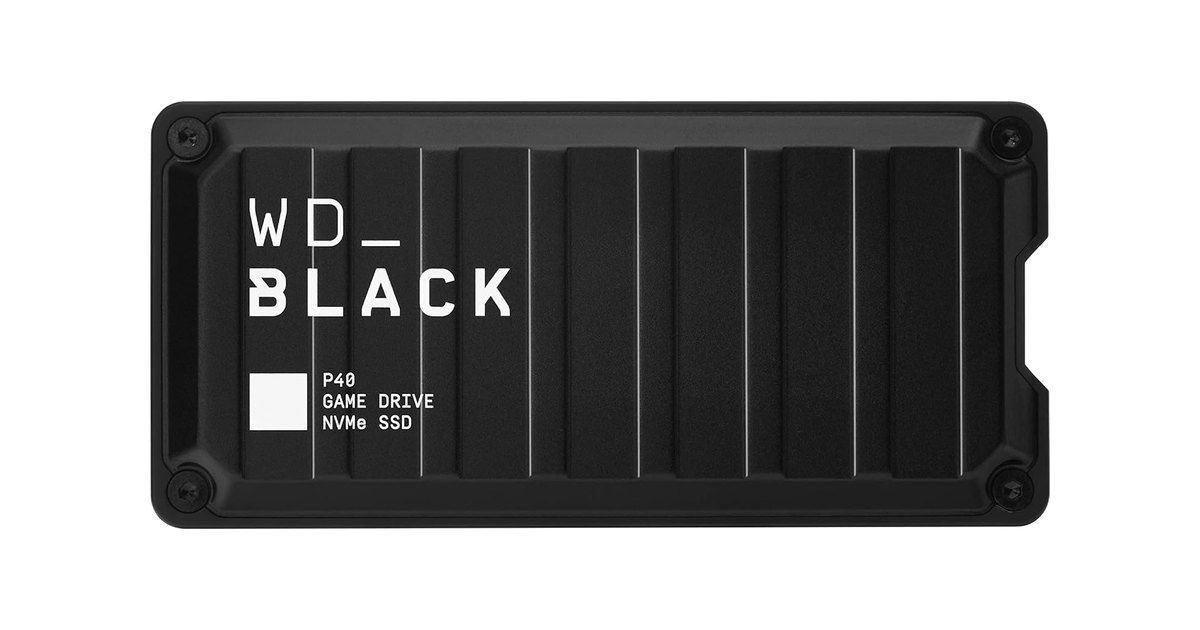
- 9WD_BLACK P40: the external SSD built for gamers
- 10Other options: Lexar SL500 and USB4 SSDs
- 11External SSD for PS5: what it does, and what it does not
- 12External SSD for Xbox Series X|S: same logic
- 13External SSD for a handheld gaming PC: useful, with limits
- 14Our checklist for choosing an external SSD
- 15FAQ: external SSDs in 2026
- 16Our verdict