yuux
Co-founder of DropReference, I'm here to give you the best tips to build the gaming PC of your dreams!
yuux
Co-founder of DropReference, I'm here to give you the best tips to build the gaming PC of your dreams!
Looking for the best gaming SSD for your PC or PS5 in 2026? NAND prices have climbed back up, PCIe 5.0 is now the default on new motherboards, and the reference models have shifted. Between Samsung, WD, and Crucial, here are the three SSDs worth considering right now.
No more endless loading times: with a NVMe SSD , you benefit from:
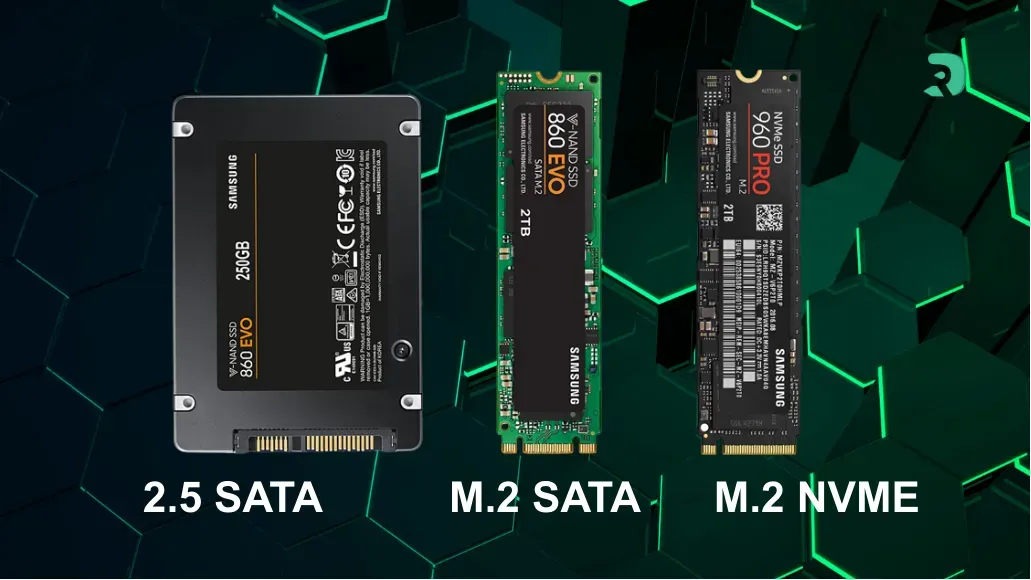
👉 To understand the differences in formats, you can also read our article on the types of SSD .
 Click to enlarge
Before comparing the models, here are the essential points to look at:
In 2026, the NAND market has shifted significantly. Per-TB prices are up 15-25% since late 2025, driven by AI demand consuming a massive share of flash production. PCIe 5.0 has gone from niche to standard on AM5 and LGA 1851 motherboards, but compatible SSDs remain pricey and run hot. For pure gaming, a solid PCIe 4.0 drive is still the smart pick in 2026: the real-world difference between Gen4 and Gen5 in games is negligible, and the price per GB is far more reasonable.
👉 Also discover in our dedicated comparison: SSD NVMe 2TB
👉 More information in our guide M.2 SSD 1 TB
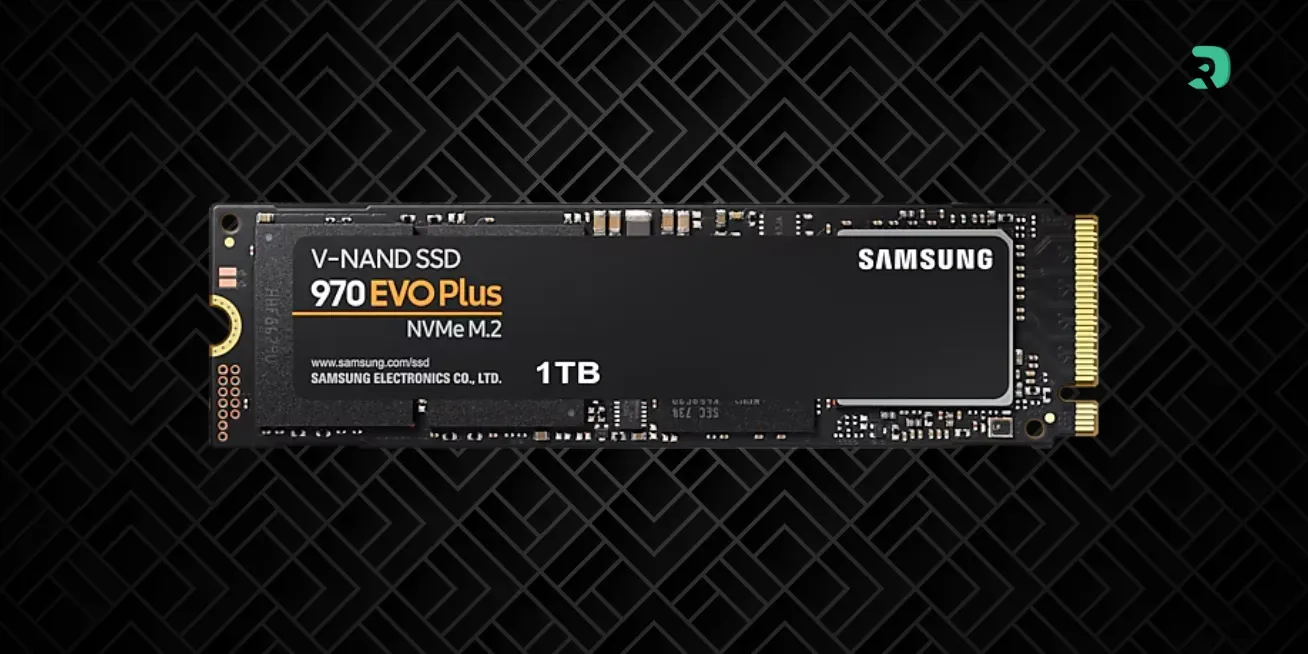
Even in 2026, these three drives hold up remarkably well. PCIe 5.0 doesn't bring any measurable gains in games yet, and these PCIe 4.0 models offer the best performance-per-dollar on the market right now.