- 1What is the RTX Spark exactly?
- 2The technical specification of the RTX Spark
- 3Local AI: the real knockout argument
- 4Gaming: is it worth a RTX 5070 mobile?
- 5Creation: Adobe revamps Photoshop and Premiere for RTX Spark
- 6Who manufactures the machines? Manufacturers and availabi
- 7The big question mark: Windows on ARM
- 8Market Impact: AMD and Intel on the ropes
- 9Our opinion
- 10FAQ

June 1, 2026, Taipei Computex. Jensen Huang takes the stage, usual leather jacket, and pulls out of his pocket something we weren't necessarily expecting from Nvidia: a complete processor for laptops . Not a graphics card, not a server module. A chip that runs Windows on its own, like an M4 at Apple or a Snapdragon X2 at Qualcomm.
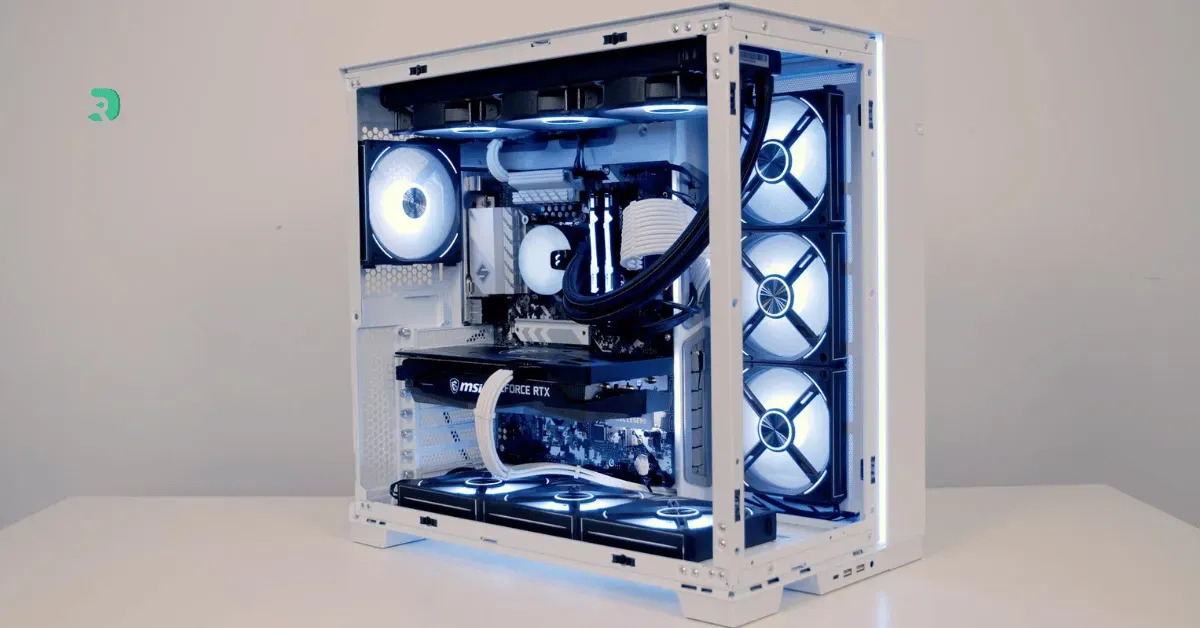
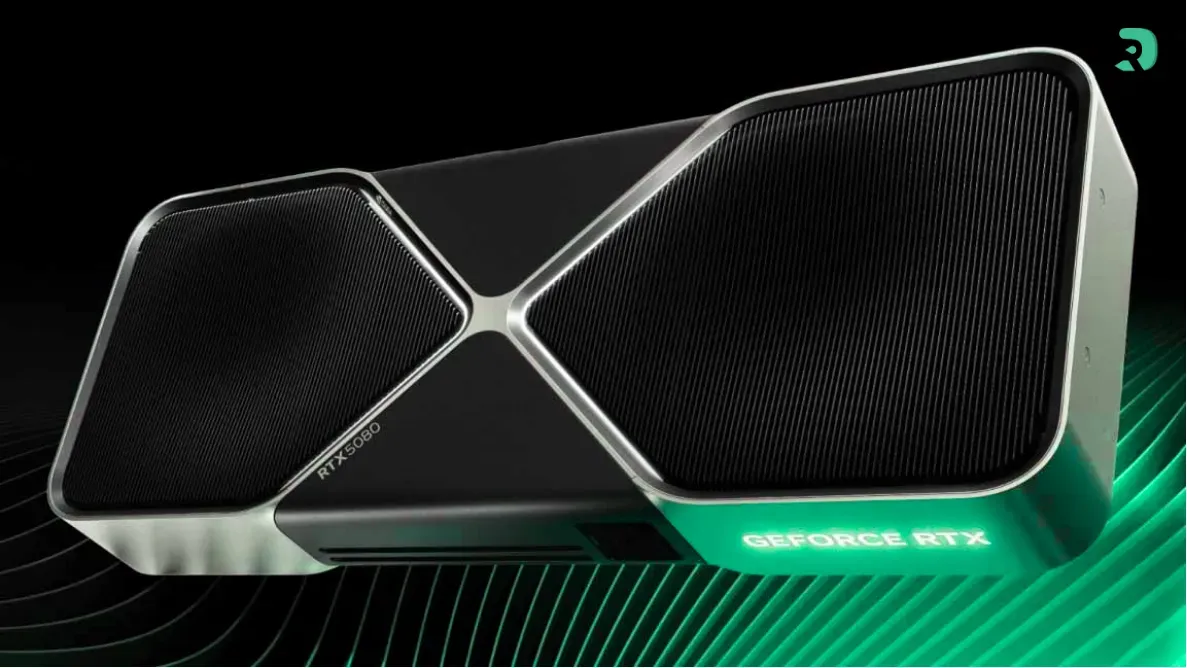
The RTX Spark - codenamed N1X - is the first time Nvidia has set foot in the consumer PC market as a complete SoC provider. This refers to a chip that integrates both the CPU (a 20-core ARM Grace, co-developed with MediaTek) and the GPU (a Blackwell RTX with 6,144 CUDA cores), all connected by an internal NVLink-C2C. 128 GB of unified memory . Engraving in 3 nm at TSMC.
Said differently: it's the same bet that Apple made in 2020 with the M1, but Windows version. And with the GPU power of a desktop RTX 5070 inside.