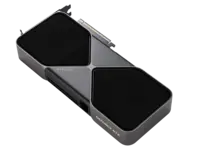
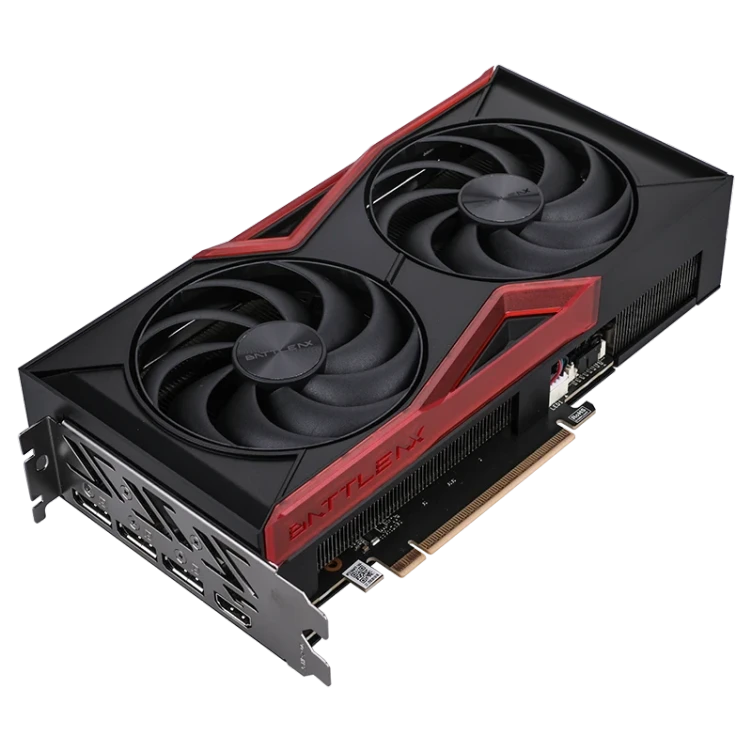
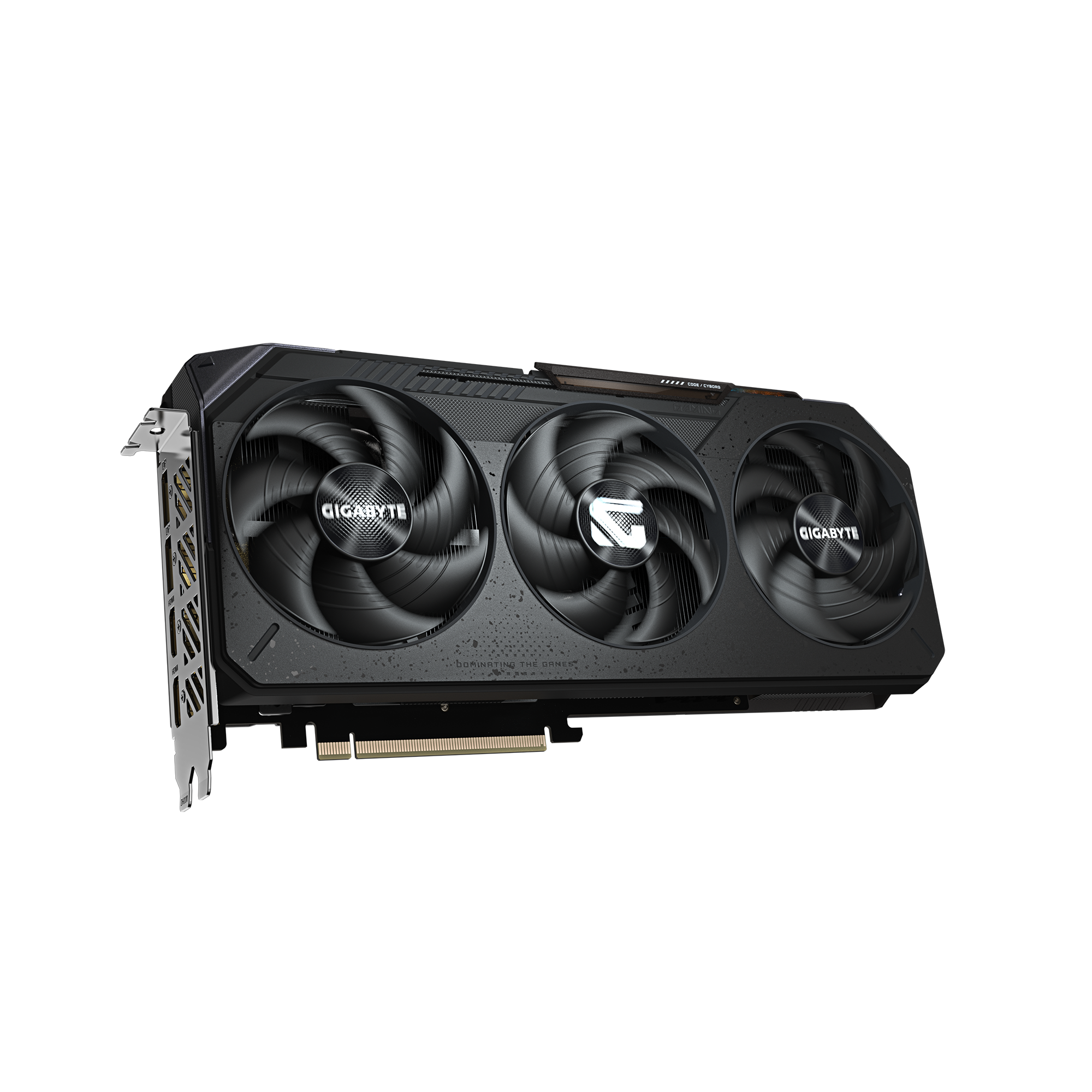
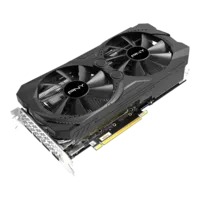
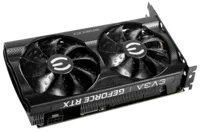
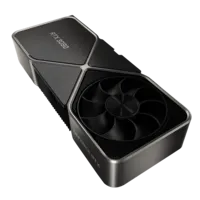
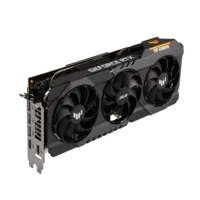
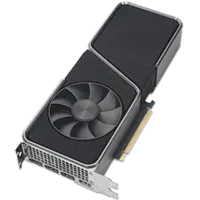
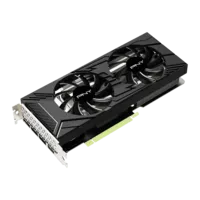
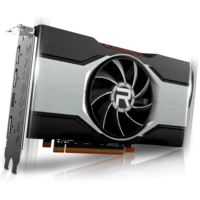
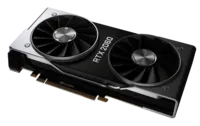
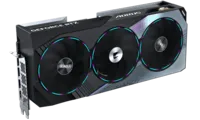
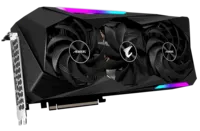
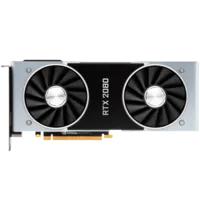
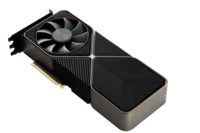
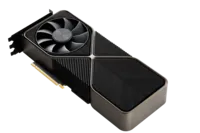
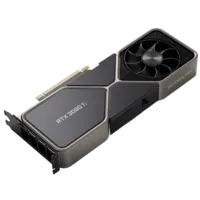
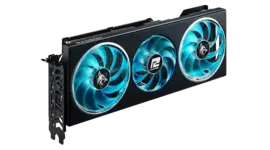
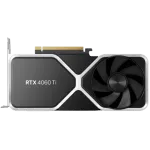
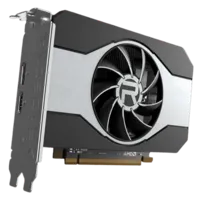
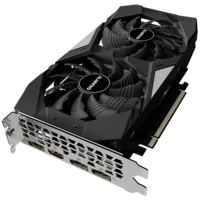
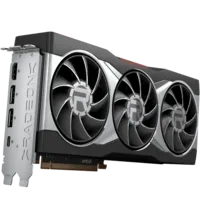
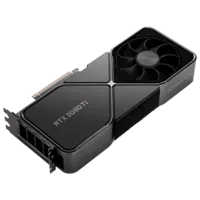
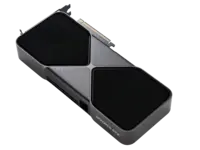
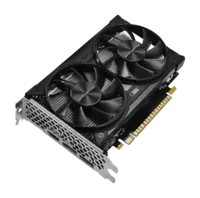
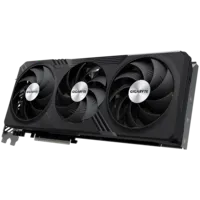
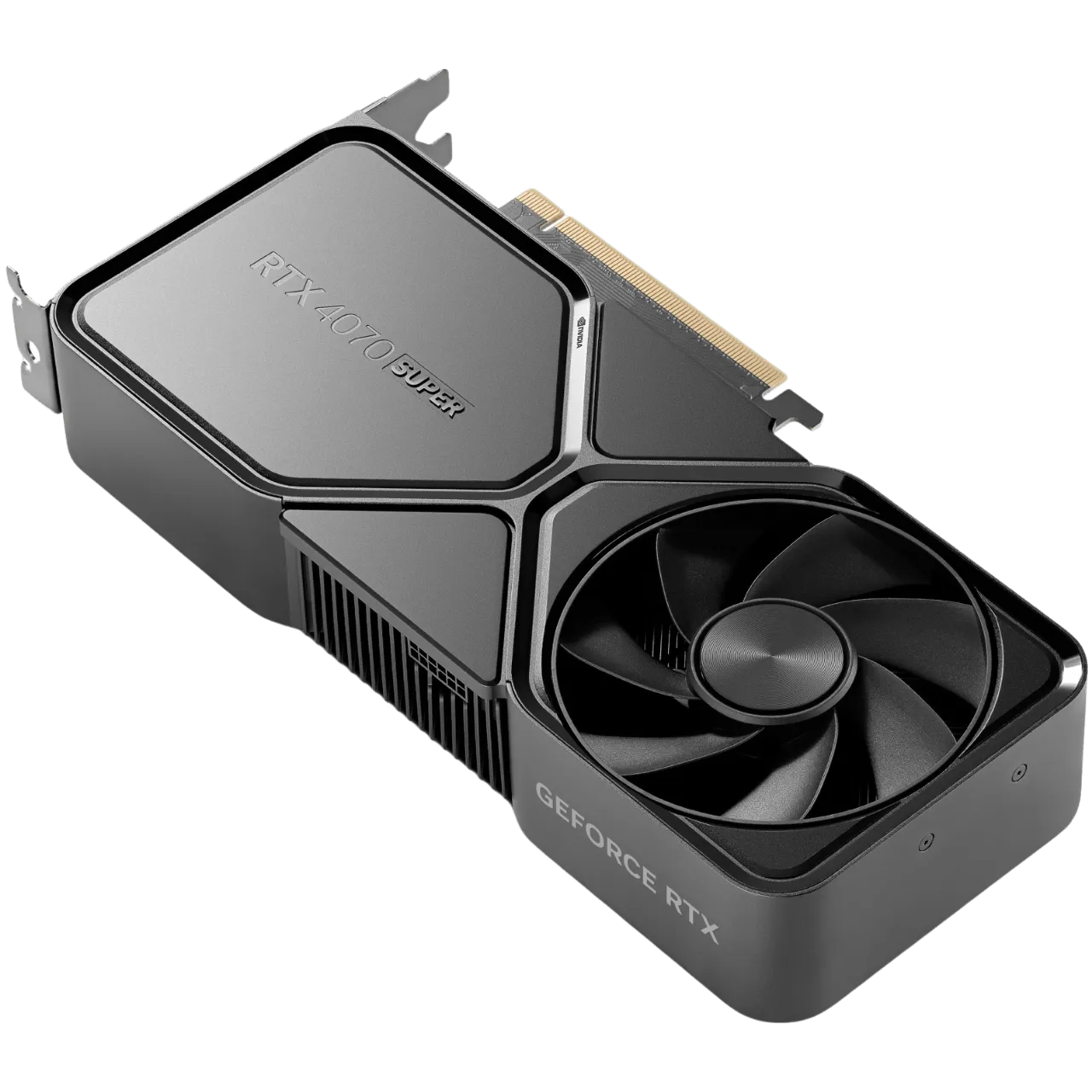
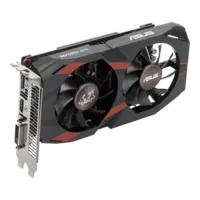
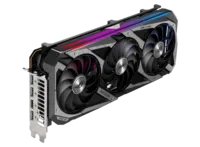
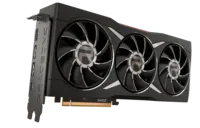
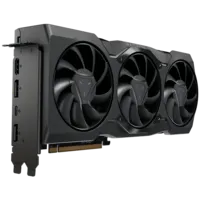
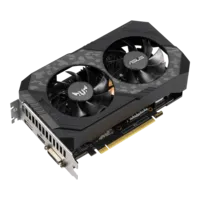
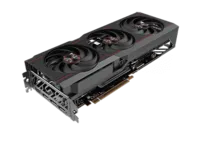
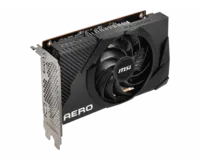
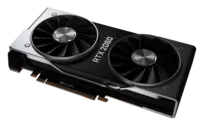
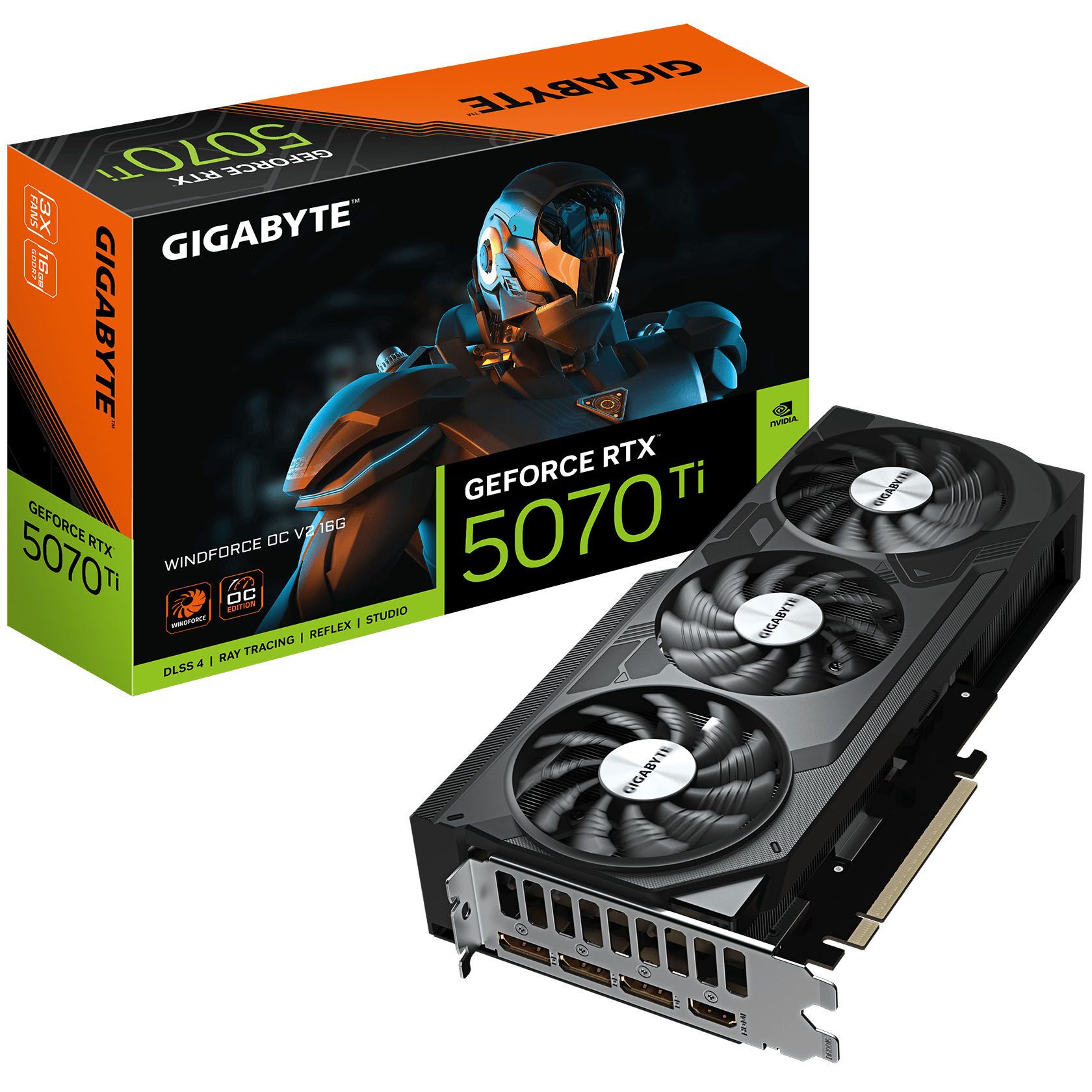
We go up a notch, and the difference is massive. The RTX 5070 Ti, it's really the sweet spot for AI in 2026 16GB of GDDR7, 8960 CUDA cores, 300W TDP - we're talking serious stuff without tipping into excess.
With 16 GB of VRAM, you unlock an impressive amount of use cases. Stable Diffusion XL in 1024x1024 ? No problem, even with LoRA and stacked ControlNet. LLM up to 30B parameters in Q4 ? It runs between 15 and 25 tokens/s depending on the model. You can even try 70B in Q2 with KV cache offload, even if it's not ideal.
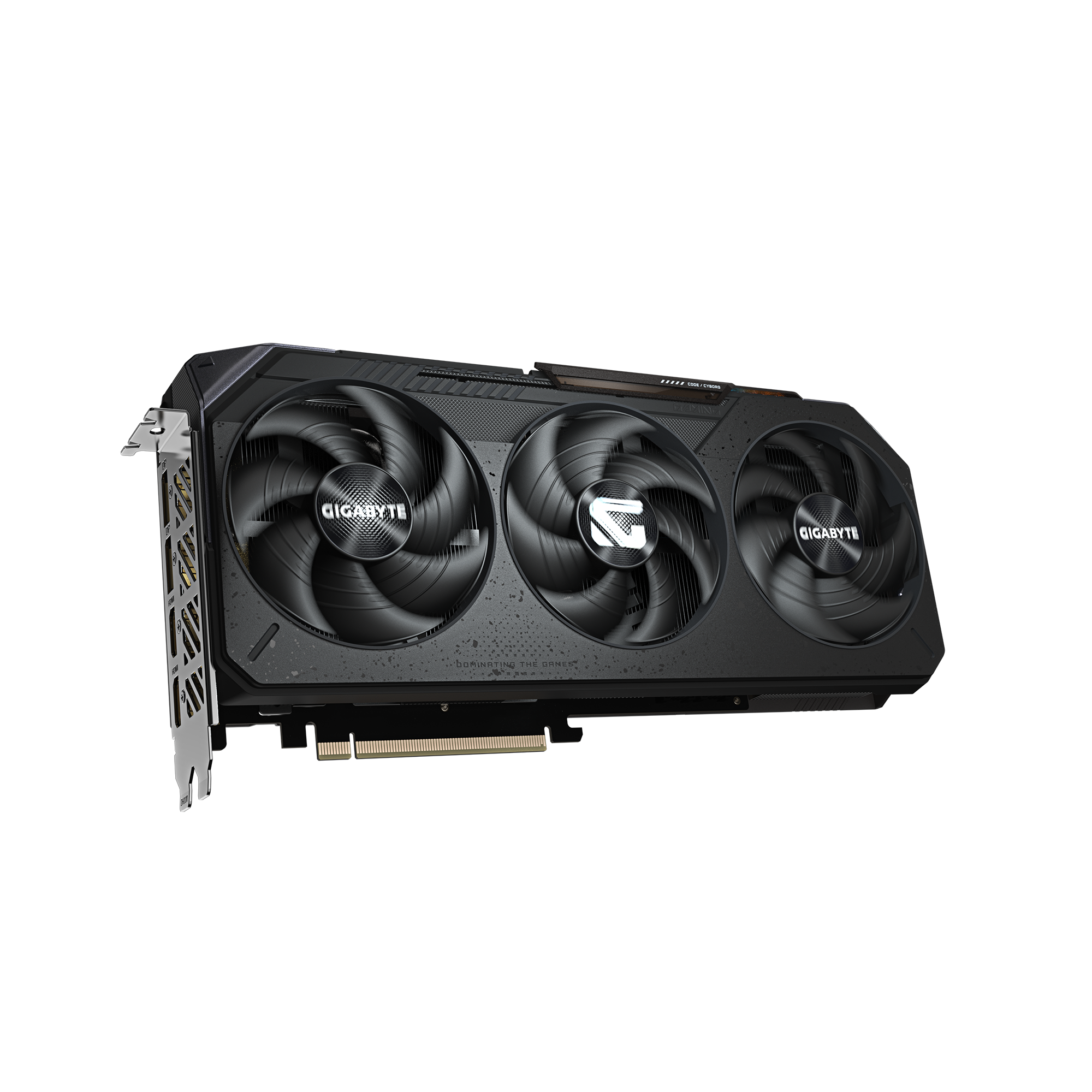
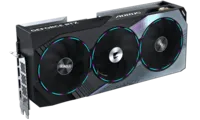
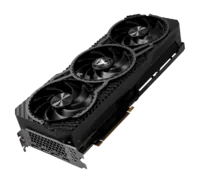
The Gigabyte WINDFORCE OC V2 model features a triple Hawk fan with server-grade thermal gel. The dual BIOS (Performance/Silent) is a real plus — you can push the card to the limit during a 3-hour training session, then switch to silent mode for light inference. And the size remains reasonable: it fits in most ATX cases.
On the price side, we are around 880-950€ in March 2026. It's not cheap, but considering the AI performance and versatility (this card remains a beast in 1440p/4K gaming), the quality/price ratio is excellent. It's the card we would recommend to someone who wants to do AI seriously without mortgaging their house.
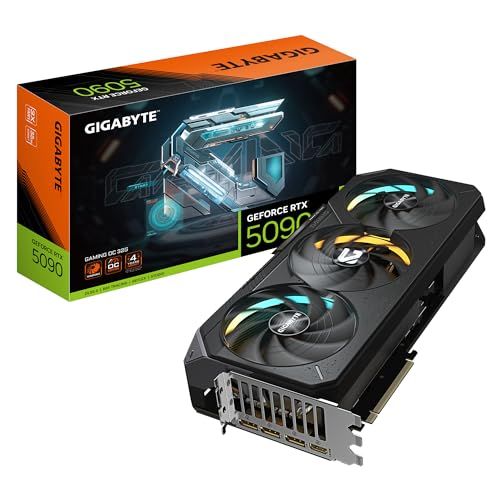
Slight downside: the 256-bit memory bus and ~448 GB/s of bandwidth are decent but not extraordinary. For pure LLM throughput, the RTX 5090 remains in a different category. But for 90% of users who do image generation, audio, or average model inference - it is largely sufficient.