DLSS 4 vs FSR 4: the complete comparison of upscaling technologies in 2026

AI upscaling DLSS 4 FSR 4

DLSS 4 from NVIDIA or FSR 4 from AMD? We give you a complete overview of these two AI upscaling technologies that are changing the game in 2026.

DLSS 4 vs FSR 4: why it's the debate of 2026

In 2026, buying a graphics card is no longer just about comparing raw FPS. Technologies AI upscaling have completely changed the game: they allow your GPU to render the image at a lower resolution, then rebuild it in higher quality thanks to AI. The result? Performance multiplied by 2, 3, or even 4, without sacrificing visual quality.

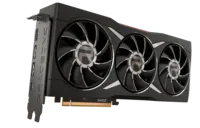
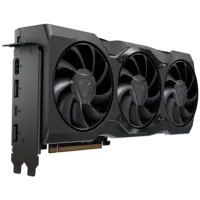
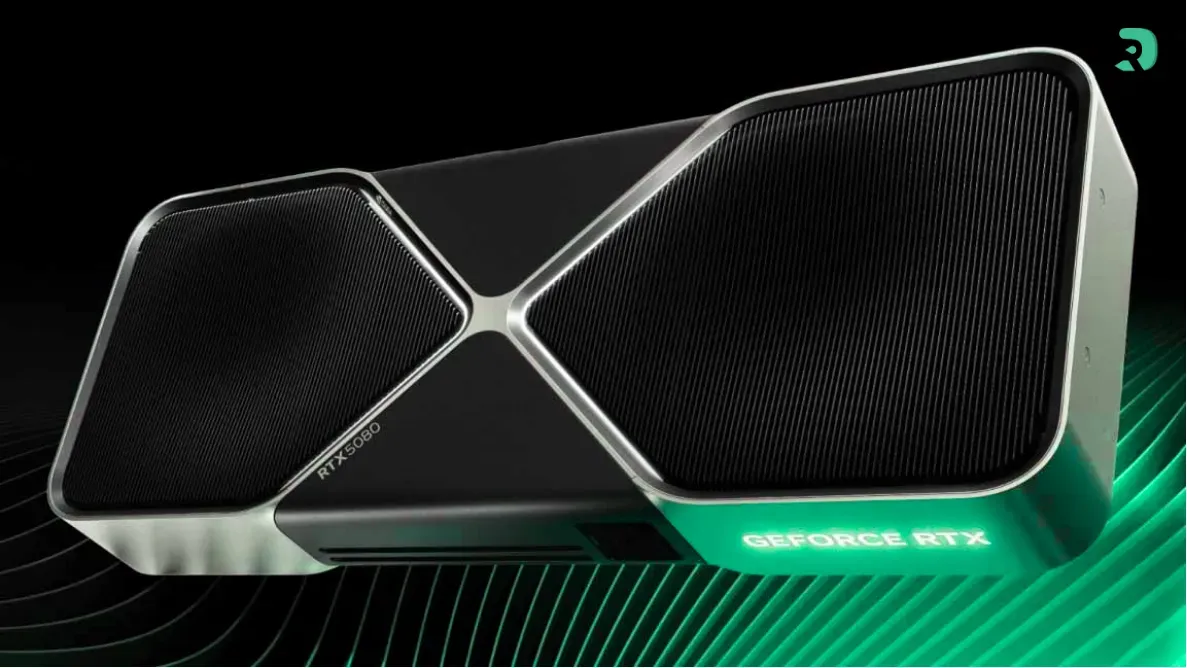
On one side, NVIDIA offers DLSS 4 (Deep Learning Super Sampling), its fourth generation of neural upscaling, exclusive to GeForce RTX series 50 cards (Blackwell architecture). On the other hand, AMD responds with FSR 4 (FidelityFX Super Resolution 4), integrated into its suite Redstone , exclusive to RDNA 4 GPUs (Radeon RX 9000). Both promise sharper images, higher FPS, and reduced latency. But which one really delivers on its promises?

We scrutinize every aspect: image quality, performance, latency, compatibility, and ecosystem. In short, everything you need to make your choice.

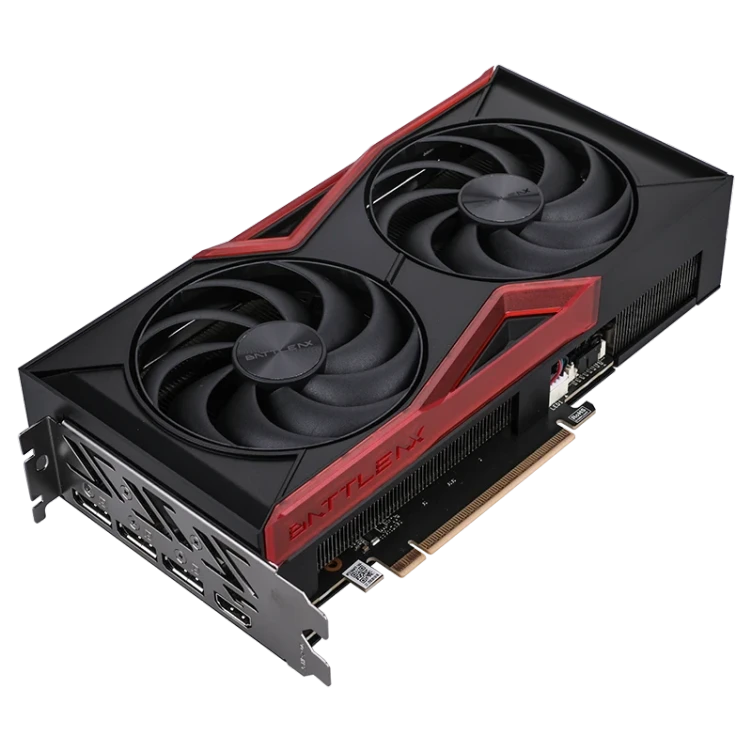
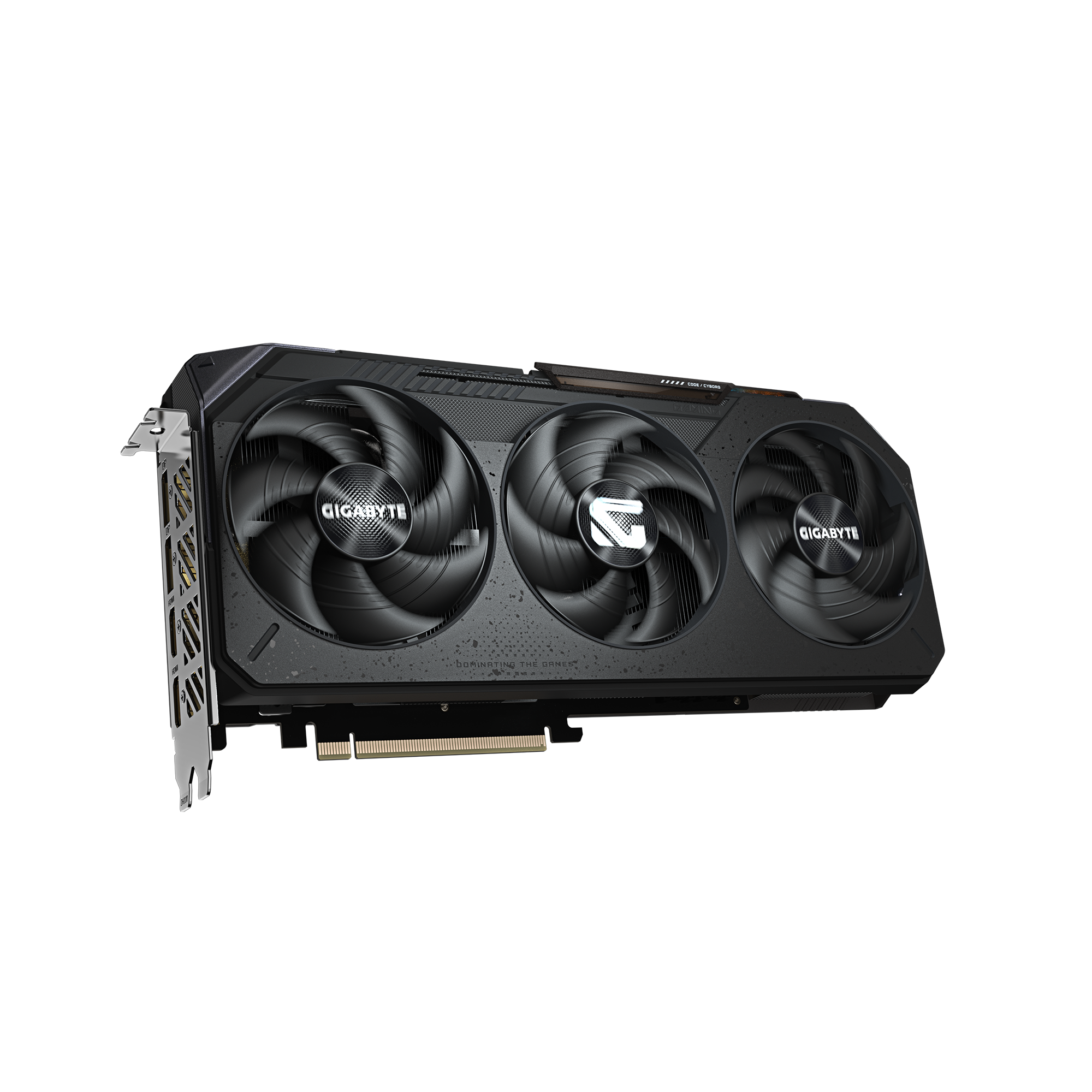
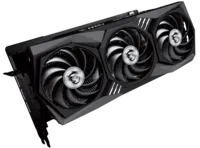
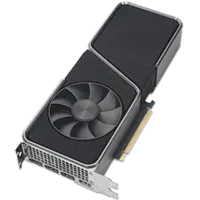
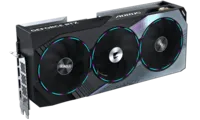
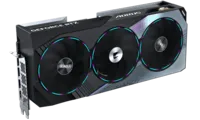
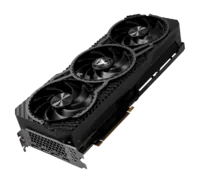
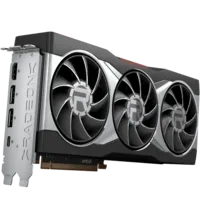
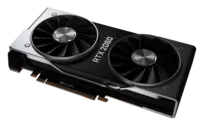
Carte graphique avec technologies upscaling DLSS FSR Click to enlarge

How does NVIDIA's DLSS 4 work

DLSS 4 is based on the 5th generation Tensor cores of the RTX 50 series GPUs. Its principle: render the image in low resolution, then reconstruct it in high quality thanks to a Transformer-type AI model, trained on NVIDIA supercomputers. This model analyzes motion data, previous images, and spatio-temporal statistics to generate missing pixels with stunning accuracy.

The big innovation of DLSS 4 is the Multi Frame Generation (MFG) Instead of simply upscaling an image, DLSS generates up to 4 additional images per frame rendered natively . Concretely, your GPU renders an image, and the AI creates 3 more between each frame. Result: your FPS are multiplied by 4. In 4K with path tracing, we are talking about 240 FPS on an RTX 5090. This is unprecedented.

And NVIDIA doesn't stop there. DLSS 4.5 , announced at CES 2026, pushes the cursor even further with the Dynamic Multi Frame Generation The ratio increases to 6x (5 images generated per native frame), and above all, the system dynamically adjusts the multiplier based on GPU load and your screen refresh rate. The 2nd generation Transformer model performs 5 times more calculations to reduce ghosting and improve temporal stability.

The DLSS suite also includes Super Resolution (upscaling AI pure), the Ray tracing reconstruction (which generates AI pixels between ray tracing samples for more realistic lighting) and NVIDIA Reflex 2.0 to minimize latency. Everything is integrated and activated with one click via the NVIDIA app.

How does the AMD FSR 4 work

The FSR 4 is AMD's big AI turn. After three generations based on analytical algorithms (spatial and temporal), AMD is finally moving to the machine learning with integrated AI units directly in the RDNA 4 GPUs. Image reconstruction is more stable, more detailed, and visual artifacts (shimmer, ghosting) are significantly reduced compared to FSR 3.

AMD brings together all its AI technologies under the suite FSR Redstone , which includes four main components:

  • FSR Upscaling : AI upscaling improves, more precise than FSR 3.1
  • FSR Frame Generation : generation of intermediate images to boost FPS
  • FSR Ray Regeneration : optimization of ray tracing by AI
  • FSR Radiance Caching : acceleration of indirect and global lighting through machine learning

The gains are impressive: up to 4.7x the performance compared to native 4K with ray tracing in games like Black Ops 7, and a doubling or tripling in Cyberpunk 2077 on an RX 9070 XT. The downside: FSR 4 consumes approximately 37% more GPU resources that the FSR 3 to run its ML models, which slightly reduces the raw FPS gain compared to the previous generation.

Important point: the complete FSR 4 (with AI) is exclusive to RDNA 4 cards (RX 9070 XT, RX 9070, etc.). The older RDNA 2 and RDNA 3 cards retain an analytical fallback (FSR 3.1), but do not benefit from ML enhancements. This is a change in philosophy for AMD, which has long relied on universal compatibility.

Image quality: blind test makes the difference

The best way to compare image quality is a blind test. And precisely, ComputerBase conducted a massive one in 2026, with 6,747 votes on six games in 4K (Anno 117, ARC Raiders, Cyberpunk 2077, Horizon Forbidden West, Satisfactory, The Last of Us Part II), all in preset Quality. The verdict is clear:

Technology Preference (% of votes) Verdict
DLSS 4.5 (NVIDIA) 48.2% Preferred in all tested games
Native rendering + TAA 24.0% Second choice
FSR 4 (AMD) 15.0% Third, did not beat the native
XeSS (Intel) 12.8% Last
Swipe to view more

DLSS 4.5 is therefore prefer to the native image itself by nearly half of the voters. This is a remarkable result that shows NVIDIA's AI upscaling now surpasses raw rendering quality in many situations. The Transformer model produces sharper images, with less shimmer on vegetation and better temporal stability.

The FSR 4, on the other hand, has made enormous progress compared to the FSR 3, but still lags behind. Testers still note some micro-tearing , of fizzling on fine geometries and of the ghosting on moving objects In static scenes, the gap narrows significantly, but as soon as the camera moves, DLSS widens the gap.

In Cyberpunk 2077 specifically, the gap is tighter (34.4% DLSS vs ~28% FSR), which shows that FSR 4 can compete in some well-optimized titles. But on average, DLSS 4.5 offers about 10 to 15% more fidelity according to the PSSIM (Perceptual Structural Similarity) metrics.

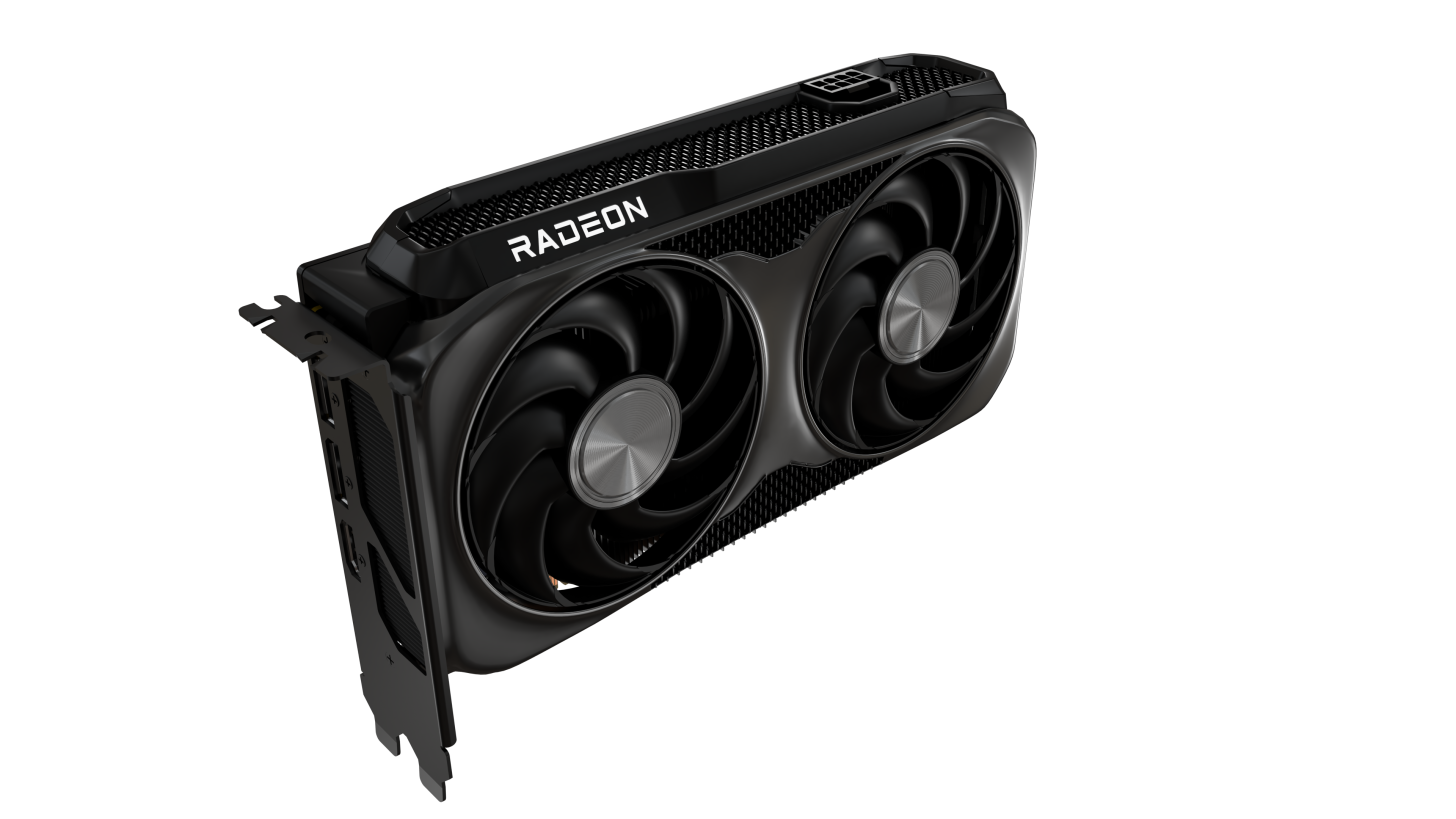
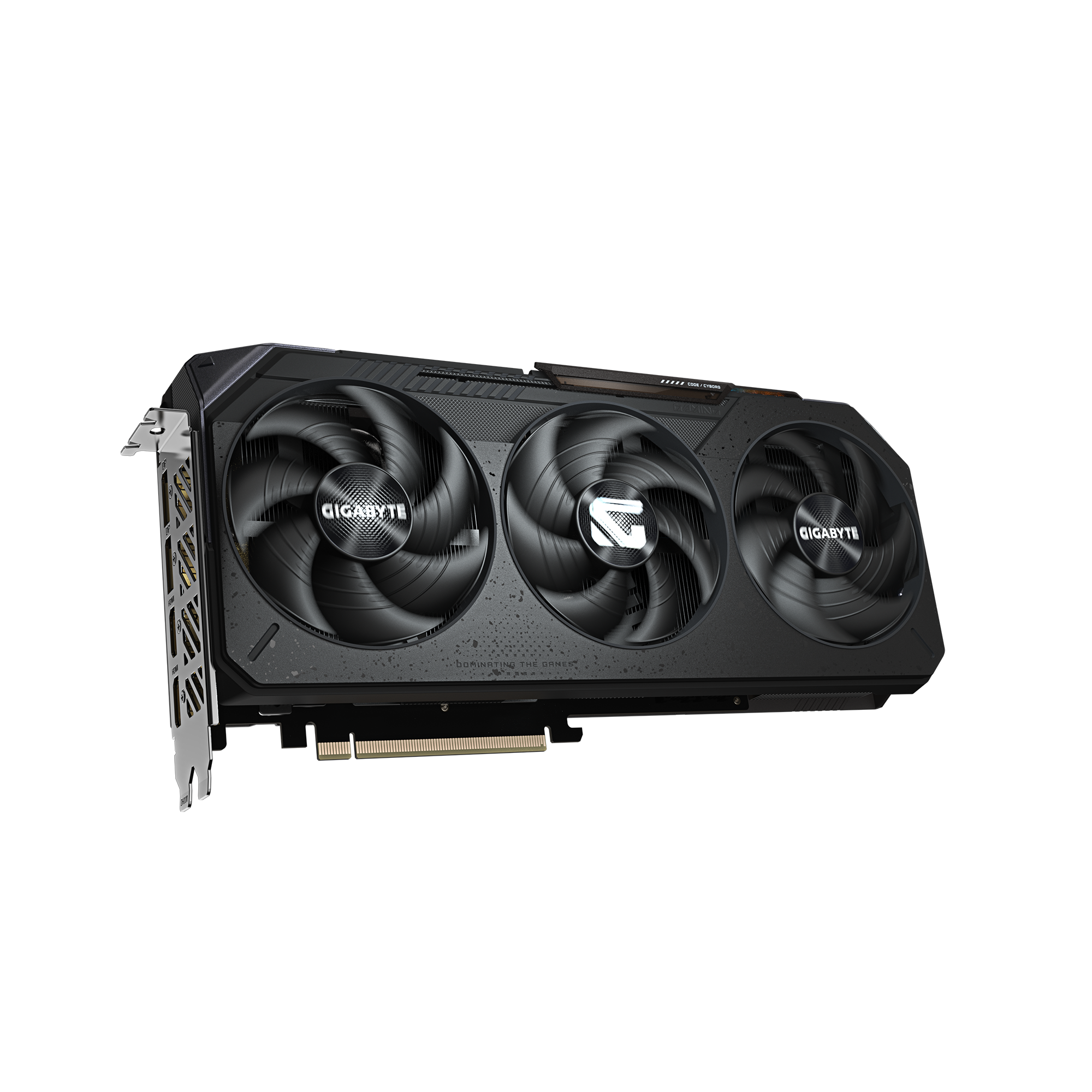
Intelligence artificielle upscaling gaming PC Click to enlarge

Performances: FPS in numbers

Beyond visual quality, what most players are interested in are FPS. Both technologies significantly boost performance through the combination of upscaling + frame generation. Here are the figures observed in 4K Ultra with active ray tracing:

Game (4K Ultra RT) Native FPS With DLSS 4 (Perf + FG) With FSR 4 (Perf + FG) Benefit
Cyberpunk 2077 RT Overdrive ~52 285 FPS (+448%) 241 FPS (+363%) DLSS +18%
Alan Wake 2 (Max RT) ~48 267 FPS (+456%) 223 FPS (+365%) DLSS +20%
Black Myth: Wukong ~61 312 FPS (+411%) 278 FPS (+356%) DLSS +12%
Star Wars Outlaws ~55 291 FPS (+429%) 256 FPS (+365%) DLSS +14%
Average (20 games) ~53 289 FPS (+445%) 254 FPS (+379%) DLSS +14%
Swipe to view more

Both technologies completely transform the experience. Going from 52 FPS to over 240 in 4K path tracing is a generational leap. DLSS retains an advantage of 14% on average on the FSR, mainly thanks to its deeper integration with ray tracing (integrated denoising) and its superior efficiency in Multi Frame Generation.

The FSR 4 is not left behind. On the RX 9070 XT, the gains are massive: up to 4.7x in 4K RT in some titles. For AMD gamers, this is a huge leap forward compared to FSR 3. The complete Redstone ecosystem (upscaling + frame gen + ray regeneration + radiance caching) allows an RX 9070 XT to compete with much more expensive cards in terms of perceived fluidity.

Latency and responsiveness: NVIDIA's secret weapon

Image generation comes with a hidden cost: latency. When your GPU generates intermediate frames, the risk is to add delay between your click and the action on the screen. This is where the difference between the two ecosystems widens.

NVIDIA integrates Reflex 2.0 directly into the DLSS pipeline. This technology synchronizes rendering with player inputs to minimize end-to-end latency. In Frame Generation mode, Reflex intelligently compensates for the delay added by the generated frames.

AMD has Anti-Lag 2 , its own latency reduction solution. It works well, but benchmarks show a measurable difference: in 4K mode with Frame Generation, DLSS displays about 18% less latency than FSR on average. On a 240 Hz screen, this results in significantly higher reactivity, especially in competitive games.

For casual gamers or solo titles, the difference is less noticeable. But if you play competitively (Valorant, CS2, Fortnite), the combination of DLSS + Reflex remains the unbeatable duo in 2026.

Compatibility and ecosystem: the sensitive point

Historically, this has been AMD's big advantage: FSR has always been more open than DLSS. But in 2026, the situation has changed.

Criterion DLSS 4 / 4.5 FSR 4 (Redstone)
Required GPU (AI upscaling) RTX series 50 only RDNA 4 only (RX 9000)
Old GPU fallback DLSS 3 on RTX 40, DLSS 2 on RTX 20/30 FSR 3.1 analytical on RDNA 2/3
Frame Generation MFG (4x) / Dynamic MFG 6x FSR Frame Gen (2x-3x)
Supported Games 400+ (via NVIDIA app) 200+ (SDK FidelityFX)
Activation Automatic via NVIDIA App Manual via AMD Adrenaline
AI Ray Tracing Integrated ray reconstruction Régénération de rayons + Mise en cache de la luminosité
Latency reduction Reflex 2.0 integrated Anti-Lag 2
Open source No Partially (Open SDK)
Swipe to view more

The major change of 2026 is that the FSR 4 complete is no longer universal . AMD made the same choice as NVIDIA: reserving AI features for the latest GPUs. If you have an RX 7900 XT, you stay on FSR 3.1 analytical. It's a understandable compromise (AI requires dedicated hardware), but it takes away AMD's historical argument of broad compatibility.

As for game adoption, NVIDIA maintains a lead with over 400 supported titles compared to around 200 for FSR 4 Redstone. Integration is also smoother: DLSS activates automatically via the NVIDIA app, while FSR often requires manual activation in AMD Adrenaline drivers.

The complete summary

Here is the overall assessment of the two technologies in March 2026. Both have made huge progress, but each has its strengths.

Appearance DLSS 4 / 4.5 (NVIDIA) FSR 4 Redstone (AMD) Verdict
Image quality Excellent (48% in blind test) Good (15% in blind test) DLSS
Average FPS gain +445% (with MFG) +379% (with Frame Gen) DLSS
Latency ~17.5 ms (with Reflex) ~21.4 ms (with Anti-Lag) DLSS
AI Ray Tracing Ray tracing reconstruction Ray Tracing + Radiance Caching Equivalent
Game compatibility 400+ titles 200+ titles DLSS
Associated GPU Prices RTX 5060: 320 EUR / RTX 5070: 650 EUR RX 9070 XT: 500-600 EUR FSR (best value for money)
Open source No Partial FSR
Swipe to view more

Find your graphics card at the best price

Whether you opt for DLSS or FSR, you need the right graphics card. Use our comparison tool below to find your GPU at the best price among dozens of retailers. Stocks and prices are updated in real time.

Choose your delivery country to see prices based on your location

Filters

RTX 5060 Ti

RTX 5060 Ti

86 Listed Products

Starting at

344€

RTX 5060

RTX 5060

61 Listed Products

Starting at

309€

RTX 5070

RTX 5070

58 Listed Products

Starting at

589€

RTX 5080

RTX 5080

57 Listed Products

Starting at

1,223€

RTX 5070 Ti

RTX 5070 Ti

56 Listed Products

Starting at

927€

RTX 3050

RTX 3050

47 Listed Products

Starting at

180€

9060 XT

9060 XT

45 Listed Products

Starting at

319€

9070 XT

9070 XT

42 Listed Products

Starting at

660€

RTX 5090

RTX 5090

34 Listed Products

Starting at

3,300€

RTX 5050

RTX 5050

30 Listed Products

Starting at

256€

RTX 3090

RTX 3090

26 Listed Products

Starting at

1,590€

RTX 3070

RTX 3070

25 Listed Products

Starting at

19€

RTX 3070 Ti

RTX 3070 Ti

25 Listed Products

Starting at

487€

9070

9070

23 Listed Products

Starting at

562€

RTX 3080

RTX 3080

22 Listed Products

Starting at

729€

RTX 3060 Ti

RTX 3060 Ti

21 Listed Products

Starting at

425€

RTX 3060

RTX 3060

17 Listed Products

Starting at

411€

6900 XT

6900 XT

16 Listed Products

Starting at

755€

RTX 2060

RTX 2060

16 Listed Products

Starting at

308€

7600

7600

15 Listed Products

Starting at

248€

6500 XT

6500 XT

14 Listed Products

Starting at

189€

RTX 3080 Ti

RTX 3080 Ti

13 Listed Products

Starting at

1,039€

GTX 1660 Super

GTX 1660 Super

13 Listed Products

Starting at

305€

RTX 4060 Ti

RTX 4060 Ti

13 Listed Products

Starting at

452€

6700 XT

6700 XT

12 Listed Products

Starting at

517€

RTX 4090

RTX 4090

12 Listed Products

Starting at

2,900€

RTX 4080

RTX 4080

11 Listed Products

Starting at

1,390€

6600 XT

6600 XT

11 Listed Products

Starting at

434€

A750

A750

10 Listed Products

Starting at

193€

RTX 4060

RTX 4060

10 Listed Products

Starting at

355€

RTX 4070

RTX 4070

9 Listed Products

Starting at

990€

6800 XT

6800 XT

8 Listed Products

Starting at

600€

6600

6600

8 Listed Products

Starting at

205€

GTX 1650

GTX 1650

8 Listed Products

Starting at

209€

7700 XT

7700 XT

7 Listed Products

Starting at

429€

RTX 4070 Ti Super

RTX 4070 Ti Super

7 Listed Products

Starting at

854€

GTX 1660

GTX 1660

7 Listed Products

Starting at

230€

RTX 3090 Ti

RTX 3090 Ti

7 Listed Products

Starting at

1,566€

6750 XT

6750 XT

6 Listed Products

Starting at

509€

7900 XT

7900 XT

6 Listed Products

Starting at

699€

GTX 1660 Ti

GTX 1660 Ti

6 Listed Products

Starting at

261€

7800 XT

7800 XT

5 Listed Products

Starting at

714€

GTX 1050 Ti

GTX 1050 Ti

5 Listed Products

Starting at

145€

RTX 2060 Super

RTX 2060 Super

5 Listed Products

Starting at

341€

6400

6400

5 Listed Products

Starting at

161€

A770

A770

5 Listed Products

Starting at

297€

7900 XTX

7900 XTX

5 Listed Products

Starting at

899€

6650 XT

6650 XT

4 Listed Products

Starting at

299€

RTX 2080

RTX 2080

4 Listed Products

Starting at

399€

7600 XT

7600 XT

4 Listed Products

Starting at

544€

B570

B570

4 Listed Products

Starting at

226€

6800

6800

3 Listed Products

Starting at

540€

RTX 2070

RTX 2070

3 Listed Products

Starting at

1,143€

6950 XT

6950 XT

3 Listed Products

Starting at

1,190€

RTX 2070 Super

RTX 2070 Super

2 Listed Products

Starting at

1,385€

RTX 4070 Super

RTX 4070 Super

2 Listed Products

Starting at

1,465€

RTX 4070 Ti

RTX 4070 Ti

2 Listed Products

Starting at

1,459€

RTX 2080 Super

RTX 2080 Super

2 Listed Products

Starting at

1,042€

RTX 4080 Super

RTX 4080 Super

1 Listed Products

Starting at

1,990€

7900 GRE

7900 GRE

1 Listed Products

Starting at

605€

B580

B580

1 Listed Products

Starting at

320€

RTX 2080 Ti

RTX 2080 Ti

1 Listed Products

Starting at

2,082€

So, DLSS or FSR? Our verdict

If we had to choose, the DLSS 4.5 is objectively superior in terms of image quality, latency, and raw performance. ComputerBase's blind test doesn't lie: nearly half of the voters prefer the DLSS image to the native image. It's a technical achievement.

But that's not the whole story. FSR 4 offers an excellent quality/price ratio . An RX 9070 XT at 500-600 EUR with FSR Redstone delivers a remarkable 4K gaming experience, with massive performance gains. For the vast majority of gamers, the visual difference compared to DLSS will only be noticeable in side-by-side comparisons.

Our recommendation is simple:

  • You want the best, period : DLSS 4.5 on an RTX 5070 or 5080. Image quality and latency are top-notch.
  • Do you want the best quality/price ratio : FSR 4 on an RX 9070 XT. You get 90% of the experience for a more contained budget.
  • You play competitively : DLSS + Reflex 2.0 is the unbeatable duo for latency. AMD does not yet have an equivalent response.
  • Do you already have an RTX 40 or RX 7000 : keep your card. DLSS 3 and FSR 3.1 remain very performant. Upgrading to the latest GPUs is justified especially if you aim for 4K 120+ FPS.

To delve further into this subject, we recommend the excellent comparison by Tom's Guide that details the benchmarks title by title: TomsGuide .

FAQ

Does DLSS 4 work on the RTX 4000?

No, the Multi Frame Generation (MFG) of DLSS 4 is exclusive to the RTX 50 series (Blackwell). The RTX 4000s retain DLSS 3 with classic Frame Generation (1 generated image). However, the DLSS 4.5 Super Resolution with the 2nd generation Transformer model is available on all RTX via the NVIDIA app.
Is the FSR 4 compatible with NVIDIA cards?

The complete FSR 4 (with AI) is exclusive to RDNA 4 GPUs. However, the analytical fallback FSR 3.1 remains available on NVIDIA cards and older Radeons. For NVIDIA cards, DLSS remains the best option anyway since it is optimized for their hardware.
DLSS or FSR, which one adds the most latency?

Both add latency through frame generation. However, NVIDIA Reflex 2.0 better compensates for this overhead than AMD's Anti-Lag 2. On average, DLSS displays about 18% less latency. For competitive games, this is a significant advantage. For single-player games, the difference is less noticeable.

What technology to choose to play in 1080p?

In 1080p, AI upscaling is less necessary because the native resolution is already accessible for most recent GPUs. DLSS and FSR remain useful for enabling ray tracing without losing FPS, but the quality difference between the two is less noticeable than in 4K. At this resolution, prioritize the quality/price ratio of the GPU rather than upscaling technology.

What does DLSS 4.5 bring more than DLSS 4?

DLSS 4.5, announced at CES 2026, introduces Dynamic Multi Frame Generation which generates up to 5 images per native frame (6x ratio compared to 4x for DLSS 4). The 2nd generation Transformer model performs 5 times more calculations for better stability and less ghosting. The dynamic mode automatically adjusts the multiplier according to the GPU load.