Why does your RAM cost more than your graphics card in 2026

RAM DDR5 2026 price DRAM memory crisis Stargate OpenAI

From 130 to 500 euros, the 32GB DDR5 kit in a few months. We explain how the Stargate project, AI, and geopolitics have driven up memory prices.

449 euros for 32 GB of DDR5. No, it's not a joke.

In October 2025, a Corsair Vengeance DDR5 32GB kit was at 119 euros on Amazon . By the end of April 2026, the same kit is displayed at 449 euros . +277 %. In six months.

And it's not just DDR5. 32GB DDR4 kits have doubled, going from 60-90 euros to 150-180 euros. SSDs are following suit — a Samsung 980 Pro 2TB that cost 190 euros is now selling for 373 euros The Steam Deck is out of stock. Raspberry Pi's have gone up by 60 dollars. Microsoft has increased the Surface by 670 euros in France on high-end models, citing "the rise in memory costs." Sony added +100 dollars to the PS5, five years after its release. The PS5 Pro? 900 dollars.

Your RAM now costs more than your graphics card. And to understand how we got here, we have to go back to the first domino.

Kang made an excellent video that dissects this whole situation in detail. We were largely inspired by it for this article, and we recommend you to go see it: https://www.youtube.com/watch?v=kKF4qeTl2uI

Choose your delivery country to see prices based on your location

Filters

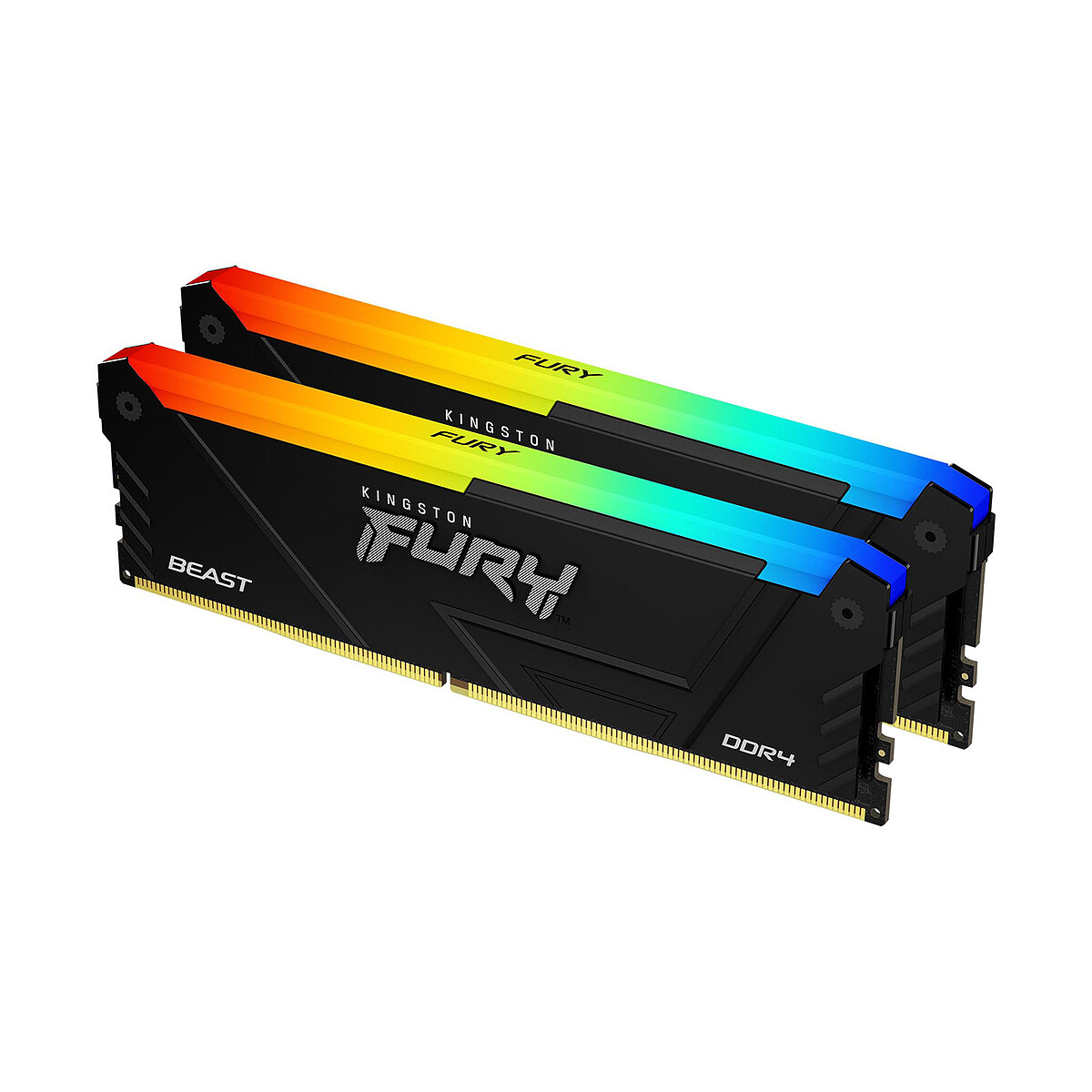
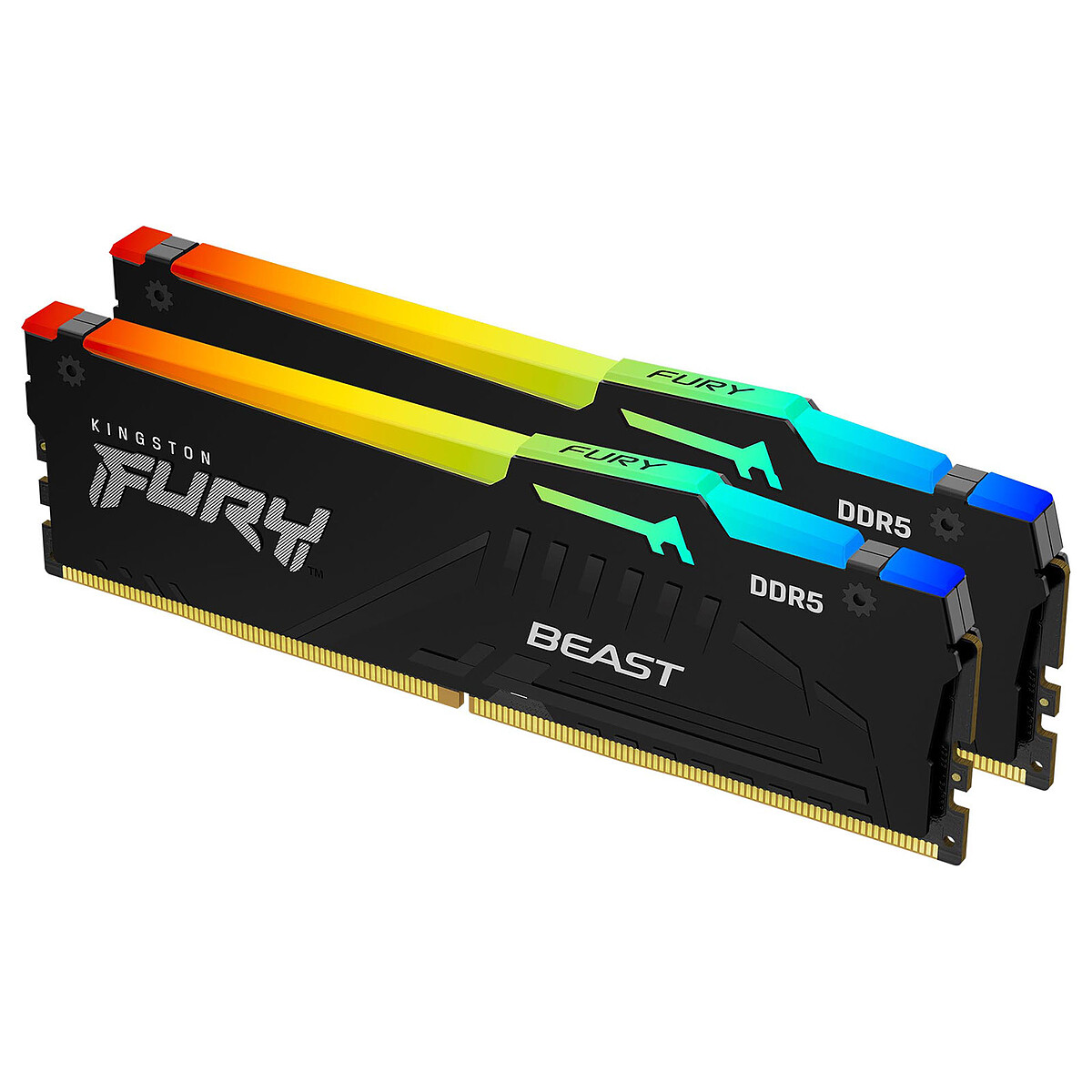
Kingston KF560C30BBEAK2-32 32GB 2x16GB DDR5 6000MHz Black

Kingston KF560C30BBEAK2-32 32GB 2x16GB DDR5 6000MHz Black

465€

(9 Vendors)
Brand: Kingston
DDR5 Optimized DDR5 Dual Channel Gaming without limits Overclocking Top DDR5
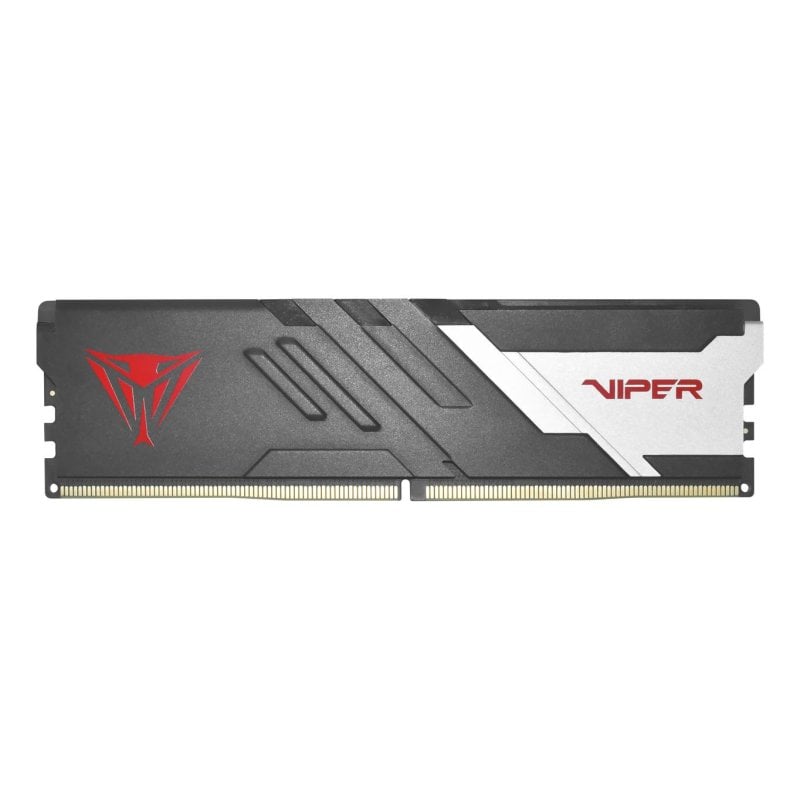
Patriot Viper Venom 32GB 2x16GB DDR5 6000MHz CL30 Multicolor

Patriot Viper Venom 32GB 2x16GB DDR5 6000MHz CL30 Multicolor

402€

(9 Vendors)
Capacity: 32
DDR5 Optimized DDR5 Dual Channel Gaming without limits Overclocking Top DDR5
Kingston KF560C30BBEA-16 16GB DDR5 6000MT/s CL30 Black

Kingston KF560C30BBEA-16 16GB DDR5 6000MT/s CL30 Black

118€

(4 Vendors)
Brand: Kingston
DDR5 Optimized DDR5 Single RAM Overclocking
Corsair Vengeance RGB DDR5 32GB (2x16GB) 6000MHz CL36

Corsair Vengeance RGB DDR5 32GB (2x16GB) 6000MHz CL36

409€

(8 Vendors)
Brand: Corsair
Top brand DDR5 Viable DDR5 Dual Channel Gaming without limits Overclocking
Lexar LD5U16G60C36LG-RGD 32GB DDR5 6000 CL36

Lexar LD5U16G60C36LG-RGD 32GB DDR5 6000 CL36

380€

(4 Vendors)
FILTERS.categories.ram.CPUType: Intel
DDR5 Viable DDR5 Dual Channel Gaming without limits
Crucial Pro Overclocking 32GB 2x16GB DDR5 6400MHz CL32

Crucial Pro Overclocking 32GB 2x16GB DDR5 6400MHz CL32

374€

(12 Vendors)
Brand: Crucial
Top brand DDR5 Optimized DDR5 Dual Channel Gaming without limits
Corsair Vengeance DDR5 32GB (2x16GB) 6000MHz CL36 Grey

Corsair Vengeance DDR5 32GB (2x16GB) 6000MHz CL36 Grey

399€

(8 Vendors)
Brand: Corsair
Top brand DDR5 Viable DDR5 Dual Channel Gaming without limits Overclocking
Goodram IRDM 32GB DDR5 6000MHz CL30

Goodram IRDM 32GB DDR5 6000MHz CL30

368€

(4 Vendors)
Brand: Goodram
DDR5 Optimized DDR5 Dual Channel Gaming without limits Top DDR5
Corsair Vengeance 32GB 2x16GB DDR5 6000MHz CL36 White

Corsair Vengeance 32GB 2x16GB DDR5 6000MHz CL36 White

362€

(7 Vendors)
Brand: Corsair
Top brand DDR5 Viable DDR5 Dual Channel Gaming without limits
Kingston FURY Beast 16GB DDR5 6000MHz CL36 White

Kingston FURY Beast 16GB DDR5 6000MHz CL36 White

91€

(5 Vendors)
Brand: Kingston
DDR5 Viable DDR5 Single RAM
Crucial DDR5 Pro Overclocking 32GB 2x16GB 6000MHz CL36 Black

Crucial DDR5 Pro Overclocking 32GB 2x16GB 6000MHz CL36 Black

377€

(10 Vendors)
Brand: Crucial
Top brand DDR5 Viable DDR5 Dual Channel Gaming without limits Overclocking
Crucial Pro OC 32GB DDR5-6400 CL32 with heatsink Black

Crucial Pro OC 32GB DDR5-6400 CL32 with heatsink Black

225€

(6 Vendors)
Brand: Crucial
Top brand DDR5 Optimized DDR5 Single RAM
Corsair Vengeance RGB DDR5 32GB 2x16GB 6000MHz CL36 Black

Corsair Vengeance RGB DDR5 32GB 2x16GB 6000MHz CL36 Black

409€

(11 Vendors)
Brand: Corsair
Top brand DDR5 Viable DDR5 Dual Channel Gaming without limits Overclocking
Crucial DDR5 6400MHz CL32 Pro Overclocking RAM 32GB 2x16GB

Crucial DDR5 6400MHz CL32 Pro Overclocking RAM 32GB 2x16GB

419€

(10 Vendors)
Brand: Crucial
Top brand DDR5 Optimized DDR5 Dual Channel Gaming without limits
Patriot Memory PVVR532G600C30K 32GB 2x16GB DDR5 6000MHz CL30 Black

Patriot Memory PVVR532G600C30K 32GB 2x16GB DDR5 6000MHz CL30 Black

432€

(8 Vendors)
Capacity: 32
DDR5 Optimized DDR5 Dual Channel Gaming without limits Top DDR5
Kingston FURY Beast 32GB (2x16GB) DDR5 6000MHz CL30 Black

Kingston FURY Beast 32GB (2x16GB) DDR5 6000MHz CL30 Black

456€

(13 Vendors)
Brand: Kingston
DDR5 Optimized DDR5 Dual Channel Gaming without limits Overclocking Top DDR5
Corsair Vengeance RGB DDR5 32GB 2x16GB 6000MHz CL30 Gray

Corsair Vengeance RGB DDR5 32GB 2x16GB 6000MHz CL30 Gray

493€

(9 Vendors)
4 (1)
Brand: Corsair
Top brand DDR5 Optimized DDR5 Dual Channel Gaming without limits Overclocking Top DDR5
Kingston FURY Beast 16GB DDR5 5600MHz CL40 White

Kingston FURY Beast 16GB DDR5 5600MHz CL40 White

99€

(1 Vendors)
Brand: Kingston
DDR5 Viable DDR5 Single RAM Overclocking
Corsair Vengeance LPX 32GB 2x16GB DDR4 3200MHz CL16 Black Low Profile

Corsair Vengeance LPX 32GB 2x16GB DDR4 3200MHz CL16 Black Low Profile

197€

(10 Vendors)
5 (1)
Brand: Corsair
Top brand DDR4 Viable DDR4 Dual Channel Gaming without limits Overclocking
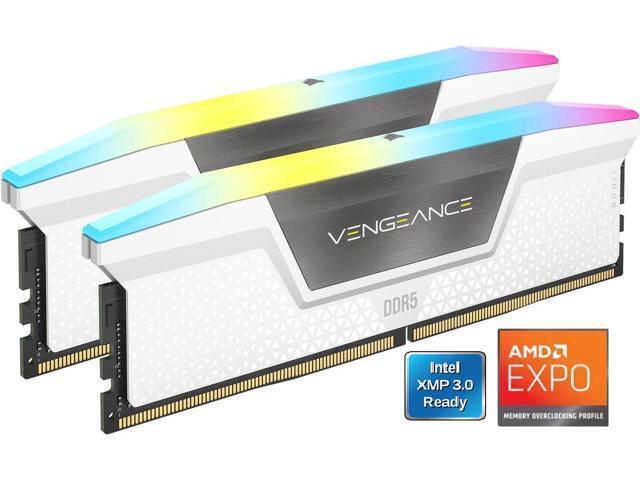
Corsair Vengeance RGB 32GB 2x16GB DDR5 6000MHz CL36 White

Corsair Vengeance RGB 32GB 2x16GB DDR5 6000MHz CL36 White

413€

(12 Vendors)
Brand: Corsair
Top brand DDR5 Viable DDR5 Dual Channel Gaming without limits
Crucial Pro OC 32GB 2x16GB DDR5 6000MHz CL36 White

Crucial Pro OC 32GB 2x16GB DDR5 6000MHz CL36 White

370€

(8 Vendors)
Brand: Crucial
Top brand DDR5 Viable DDR5 Dual Channel Gaming without limits Overclocking
G.SKILL Trident Z5 Neo 32GB (2x16GB) DDR5 6000MHz Black

G.SKILL Trident Z5 Neo 32GB (2x16GB) DDR5 6000MHz Black

508€

(9 Vendors)
Brand: G.Skill
Top brand DDR5 Optimized DDR5 Dual Channel Gaming without limits Overclocking Top DDR5
Kingston FURY Beast RGB 32GB 2x16GB DDR5 6000MHz CL36 Black

Kingston FURY Beast RGB 32GB 2x16GB DDR5 6000MHz CL36 Black

394€

(12 Vendors)
Brand: Kingston
DDR5 Viable DDR5 Dual Channel Gaming without limits Overclocking
Patriot Memory Viper Elite 5 RGB 32GB 2x16GB DDR5 6000MHz White

Patriot Memory Viper Elite 5 RGB 32GB 2x16GB DDR5 6000MHz White

440€

(4 Vendors)
Brand: Patriot
DDR5 Optimized DDR5 Dual Channel Gaming without limits Top DDR5
Corsair Vengeance RGB RS 32GB 2x16GB DDR5 6000MHz CL36 Gray

Corsair Vengeance RGB RS 32GB 2x16GB DDR5 6000MHz CL36 Gray

373€

(4 Vendors)
Brand: Corsair
Top brand DDR5 Viable DDR5 Dual Channel Gaming without limits

The Stargate Project: when Sam Altman makes the whole world look like fools

End 2025. Sam Altman, head of OpenAI, arrives in Seoul. He stands before the leaders of SK Hynix and Samsung and asks them to deliver 900,000 wafers per month Approximately 40% of the global DRAM production. Just for OpenAI.

It is within the framework of the Stargate project: 500 billion dollars of investment in AI over 4 years, with SoftBank and Oracle. The planned data centers would need the equivalent of 10 nuclear power plants to be powered.

In parallel, Altman signs a contract with Oracle for 300 billion dollars over 5 years for computing power. Oracle, highly motivated, immediately launches the construction of data centers — the first in Abilene, Texas (1.2 GW capacity), operational by early 2026.

And that's where the market goes haywire. Except that — and this is the twist — what Sam Altman had signed that day was not a sales contract. It was a letter of intent A letter of intent commits to nothing. It's legal hot air.

Beginning 2026, OpenAI goes back and revises its ambitions downward. Even Nvidia has backtracked: Jensen Huang stated that the 100 billion planned investment "has never been a commitment". Result: 100 billion became 30 billion. 70% reduction. Oracle also announced revising its ambitions "due to OpenAI's changing needs".

Well done Sam. You managed to disrupt the entire global supply chain with a document that was worthless. But the consequences, however, are very real.

The 4 dominoes that caused prices to skyrocket

Domino 1: manufacturers switch everything to HBM

Samsung, SK Hynix, Micron — these three hold 95% of the global memory market . And they all massively shifted their production chains to HBM (High Bandwidth Memory), a type of memory optimized for AI that sells three to five times more expensive that classic RAM.

As of October 2025, SK Hynix announced that all of its memory production for 2026 was sold out. A few weeks later, Micron confirmed the same thing. The year 2026 had not even started and all production was already sold.

And the final blow comes in December 2025: Micron announces the end of Crucial , their consumer brand. 29 years of existence, over. Micron now focuses on enterprise and AI customers. One of the three major players simply abandons the consumer market.

The strange thing? Neither Samsung nor SK Hynix rushed to grab the freed market share. No one came to fill the gap. And it's no coincidence — we'll come back to that below.

Domino 2: tech giants panic

Google, Amazon, Meta, Microsoft — under the pressure of Stargate, they all rushed for available memory with open-ended orders "I take everything you have, no matter the price." Because if they didn't position themselves, they wouldn't have enough hardware to compete with OpenAI. These companies signed real contracts and paid cash. And even if OpenAI backtracks, they can't go back.

Domino 3: PC manufacturers are taking a hit

Lenovo, the world's number 1, announced at the end of 2025 that they had a memory stock 50% higher than normal. Laurent de la Clergerie, the boss of LDLC, declared in September 2025 that LDLC would not be impacted by the increase because they had stocked a lot. Their stock had even increased significantly in value.

Except that the stock, it sells out. And when it's time to buy back at the current market price, reality catches up with everyone.

Domino 4: speculation explodes

Distributors who stock, scalpers who buy whole pallets of RAM. In China, some wholesalers admit that prices change hour by hour .

A telling anecdote: at the end of 2025, a buyer finalizes an order with a RAM brand. In the middle of the transaction, the brand tells him: "Today, we received the order to close sales." It was a Thursday. The explanation? The following Monday, a price increase was "planned" Selling on Thursday was a loss. Just had to wait for the weekend to have more margin. "Price increase expected" — who predicts that? Who decides?

It happened on a large scale. Distributors have limited purchases to 5 RAM kits per week for resellers and assemblers. Five kits. A box that builds PCs every day, what does it do? 5 machines per week and it waits? The worst part is that these limitations applied to stocks already manufactured, already purchased. Pure speculation.

The cascade effect: from the smartphone to your USB key

Did the demand really explode? Yes. But in a natural way? No. It was triggered by one element — the Stargate project — which turned out to be greatly exaggerated. However, the contracts signed by other companies, those are real. It's paid for, it's committed.

Concrete result: starting from Q2 2026, on an entry-level smartphone, the cost of memory represents 54% of the total manufacturing cost . 54% for a single component, while there are about a hundred parts in a phone — processor, camera, screen. The only option for manufacturers? Increase the purchase price for the consumer.

Sony increased the PS5 by $100 in the US in early April 2026. Five years after the release. In Japan, sales dropped by 80% after the announcement. On the smartphone side, analysts predict +100 to 150 euros on the next models. Even USB keys and SD cards follow suit.

And at PC, a DDR5 32GB 6000 MHz kit costs between 340 euros (LDLC) and 390 euros (Amazon) in May 2026. More expensive than an RX 7600 or an RTX 4060. RAM has become the most expensive component of your setup.

Component / Product Price before (2025) Current Price (May 2026) Increase
DDR5 32GB 6000 MHz (Corsair Vengeance) 119 € 449 € +277 %
DDR4 32 GB (standard kit) 60-90 € 150-180 € +100 to 200%
Samsung 980 Pro 2TB 190 € 373 € +96 %
PS5 (disc version, US) 499 $ 599-650 $ +100-150 $
PS5 Pro (US) $699 900 $ +150 $
Microsoft Surface (EN, high-end) Initial price Up to +670 € Variable
Raspberry Pi Original price +60 $ Variable
Swipe to view more

HBM Explained: Why AI Needs So Much Memory

We hear about HBM everywhere, but no one really takes the time to explain what it is. So let's do it.

HBM, it's High Bandwidth Memory — high bandwidth memory. Bandwidth is the amount of data a component can transfer in one second. Like the width of a water pipe: the wider it is, the stronger the flow.

A DDR5 module caps at 51.2 GB/s bandwidth It's the max in the mainstream (in dual channel, we can double). HBM4? 3 300 Gb/s 64 times faster than DDR5. It's another world.

Why AI needs it: the KV cache

When you chat with ChatGPT, the model must remember everything you said to follow the thread. For this, it uses a short-term memory called the KV cache (Key-Value cache) This memory, it's HBM on server GPUs.

Each message and each response are stored in tokens. The more you chat, the more tokens accumulate, the larger the KV cache grows. After a while, you reach the limit and the model erases part of the conversation. That's why sometimes, ChatGPT seems to "forget" the context suddenly.

Short anecdote: when you have an in-depth conversation with ChatGPT, you immobilize around 10 GB of HBM memory on OpenAI server GPUs. And this memory runs on Nvidia H100s at 30,000 euros each. Multiply that by the millions of users conversing at the same time, and you understand why the demand for memory is astronomical — while we pay 20 euros per month. And not everyone pays.

And the bandwidth? To generate a response, the model must pass your question through billions of parameters, which is several terabytes of data. Without the HBM bandwidth, it would take a monstrous amount of time. Imagine storing that on hard drives: you would have time to go to the bookstore, buy a dictionary, go back home, and look up your answer before the AI has responded to you.

Why don't manufacturers produce more? The lesson of Covid.

One could say: if demand explodes, why don't Samsung and SK Hynix simply increase production? The answer lies in what happened during Covid.

During the pandemic, everyone rushed to electronics. Memory prices have soared. Manufacturers, in their euphoria, said to themselves: "OK guys, let's increase production volume." The problem is that at the end of the party, demand collapsed. They ended up with 31 weeks of unsold stock In April 2023, Samsung posted its worst quarter in 14 years: -96% profit compared to the previous year.

To correct prices, Samsung, Kioxia, Micron, and SK Hynix all cut production. And they learned a collective lesson that impacts us directly today: faced with an increase in demand, production should not be increased It is better to dry up the market and keep prices high rather than risk a surplus.

That's why when Micron closed Crucial, no one rushed to the consumer market. That's the behavior they adopt now. In any other market, competitors would have jumped on the freed market share. But in the memory market, we have only three players who hold 95% of the market and who are very kind to each other. Some talk about concentrated oligarchy — not to say monopoly.

The glimmers of hope (and why they faded)

However, all is not lost. Two recent events briefly pulled prices down.

The desktop PC market is collapsing

Desktop PC sales have dropped by 50%. Mindfactory, a major German retailer, shared its stats: never so few processors sold in a February . Historical record on the downside. Thanks to this - in quotation marks - we saw discounts appear starting in February. Corsair, Lexar offered DDR5 32GB for 350 euros. It's already less than the 500 euros peak.

In China, actors who had bought RAM at a high price started to panic and resell below their purchase price. Except in Europe, we do not have this level of competition. Distributors hold firm on their prices.

To compensate, some integrators are starting to put 16 GB of RAM in configurations costing 2,500 euros. Or motherboards completely bare — not even shields to protect the VRM. The race for the lowest price is pulling quality down.

TurboQuant: the false algorithmic hope

The second event, which gave the most hope, was when Google published TurboQuant , an algorithm capable of compressing the cache KV by 6. On paper, this massively reduces the memory requirements of AI models.

Except that the effect may be the opposite. One of the current brakes of AI models is the token limit. If TurboQuant compresses the KV cache, companies will not hesitate to increase the token limit of their models. This is exactly what happened with SSDs: when video game developers saw that most PCs had 1TB SSDs, they increased the size of their games. More available capacity = more consumption.

So, when is it going to calm down?

Let's be honest. We can't really talk about a shortage in the strict sense anymore: distributors and wholesalers have RAM in stock. As long as you're willing to pay the price, they'll sell it to you. But the indicators are pointing towards maintaining high prices.

Even if the initial rupture was partly artificial — inflated by a letter of intent that was worthless — the race for AI is very real. As long as it continues, RAM will not fall back to pre-levels. Samsung and SK Hynix anticipate tensions until 2027, or even beyond.

Let's not forget that since the end of Covid, the price of RAM was not profitable enough for manufacturers. The period 2022-2023, with its surpluses and -96% of profits at Samsung, traumatized them. They prefer to dry up the market today rather than relive that. And there is no smoke without fire: even without Stargate, the increase in AI demand was going to happen.

If you are hoping for a price drop in 2026, it's not happening. If you have a mandatory purchase to make, doing it now or in 3 months, it will be the same. However, really think about the interest of your purchase. If this price increase has a positive side, it may be that it forces us to think twice before spending 500 euros on a component. This smartphone, this computer that you were so eager for - do you really need it?

Frequently Asked Questions

Why did DDR5 RAM increase so much in 2026?

Four chain factors: OpenAI's Stargate project that shook the market (even though it was just a letter of intent), manufacturers Samsung/SK Hynix/Micron who switched to HBM for AI, tech giants who placed "open-ended" orders out of panic, and distributors' and scalpers' speculation that amplified it all.

What is HBM and why does it impact the price of my RAM?

HBM (High Bandwidth Memory) is a very high bandwidth memory used in AI GPUs (Nvidia H100, H200). It is 64 times faster than DDR5 and sells for 3 to 5 times more. Manufacturers prioritize its production because profit margins are higher, reducing the available capacity for mainstream DDR5 and DDR4.

Was the Stargate project a bluff?

Not a bluff in the strict sense, but a greatly exaggerated promise. What Altman had signed with memory manufacturers was a letter of intent, not a firm contract. OpenAI backtracked in early 2026, Nvidia reduced its planned investments by 70%, and Oracle scaled back its ambitions. But the damage was done: other companies had already signed real contracts and paid cash.

Why did Micron close Crucial?

Micron announced the end of Crucial — its consumer brand — in December 2025 after 29 years of existence. The company is refocusing on enterprise customers and AI, where margins are much higher. Neither Samsung nor SK Hynix sought to recover this consumer market share, illustrating the oligopolistic behavior of the memory market.

Will prices drop in 2026?

Very unlikely. Samsung and SK Hynix have learned their lesson from the post-Covid crash (Samsung -96% profit in 2023) and prefer to maintain high prices rather than risk oversupply. The AI demand continues to grow, the three manufacturers hold 95% of the market and have no interest in lowering prices. Occasional discounts exist (DDR5 32GB for 350 euros at Corsair/Lexar), but the underlying trend remains upward.

Why do distributors limit the sale of RAM to 5 kits per week?

Speculation. Distributors know that prices will continue to rise, so they limit sales to maximize their future margin. Some brands have stopped ongoing sales because a price increase was "expected" a few days later. These limitations affect stocks that have already been manufactured — it is pure retention to take advantage of inflation.