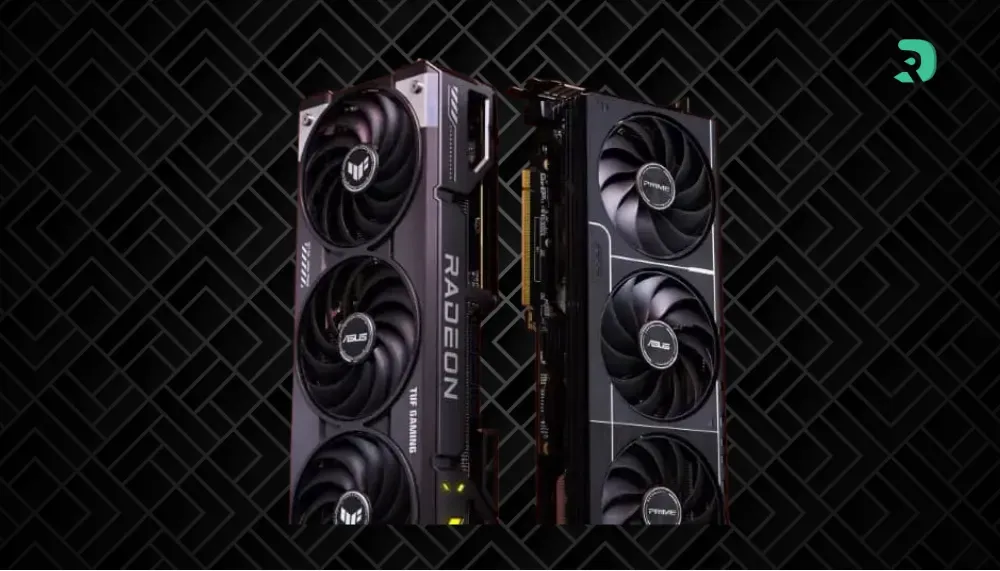
For an RX 9070 XT, AMD lists a typical board power of 304 W and recommends a power supply of at least 750 W, with two 8-pin connectors on the reference card. NZXT uses that same 750 W floor, based on the AMD figures as of November 17, 2025.
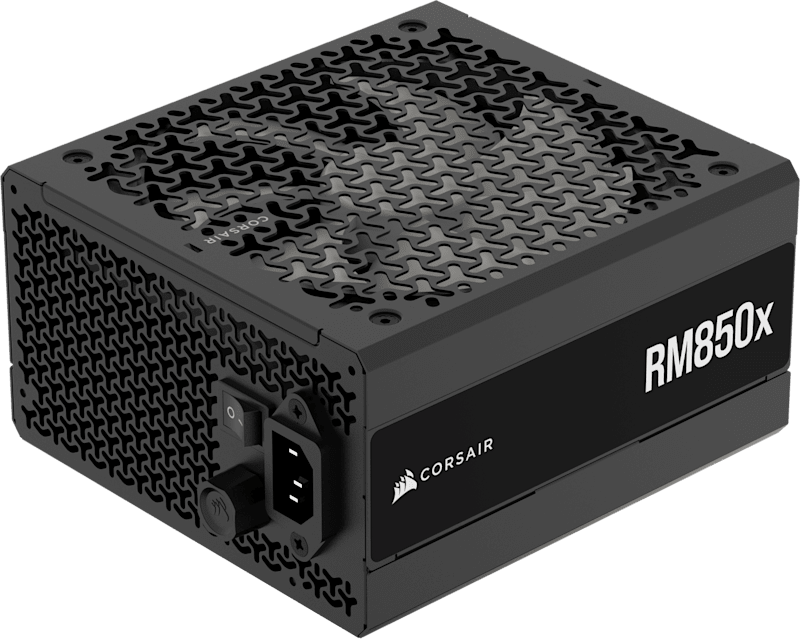
Corsair, in the table it updated on August 28, 2026, refines the recommendation by CPU: 750 W with a Ryzen 5 or a Core i5, 850 W with a Ryzen 7 / Core i7 or a Ryzen 9 / Core i9, and 1000 W on an HEDT platform. Those figures already assume a typical PC (cooling, storage, memory), not just the GPU plus CPU added together.
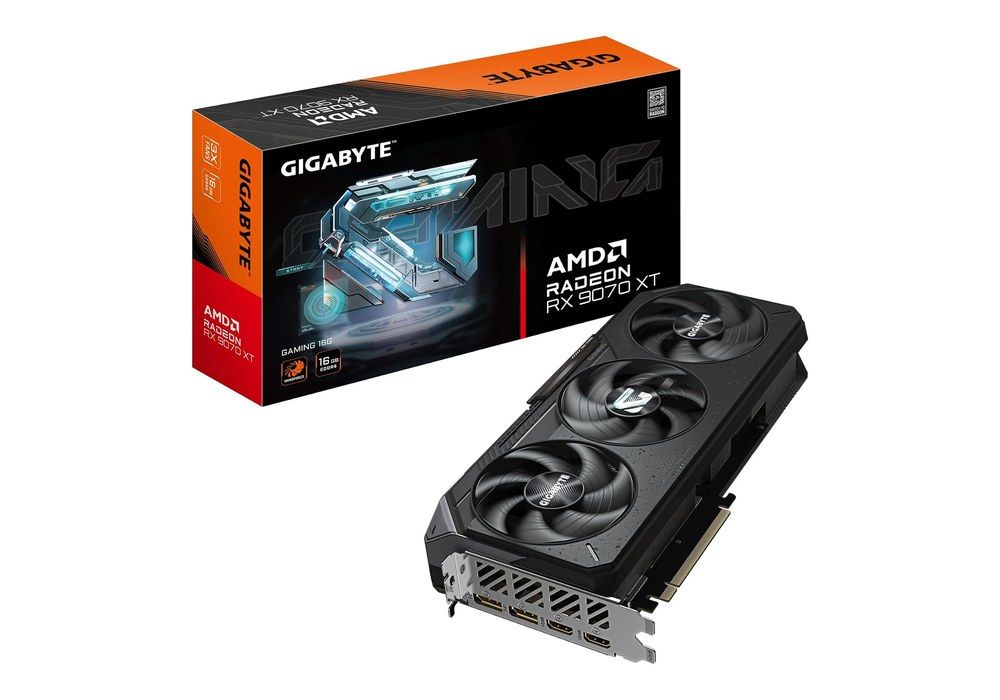
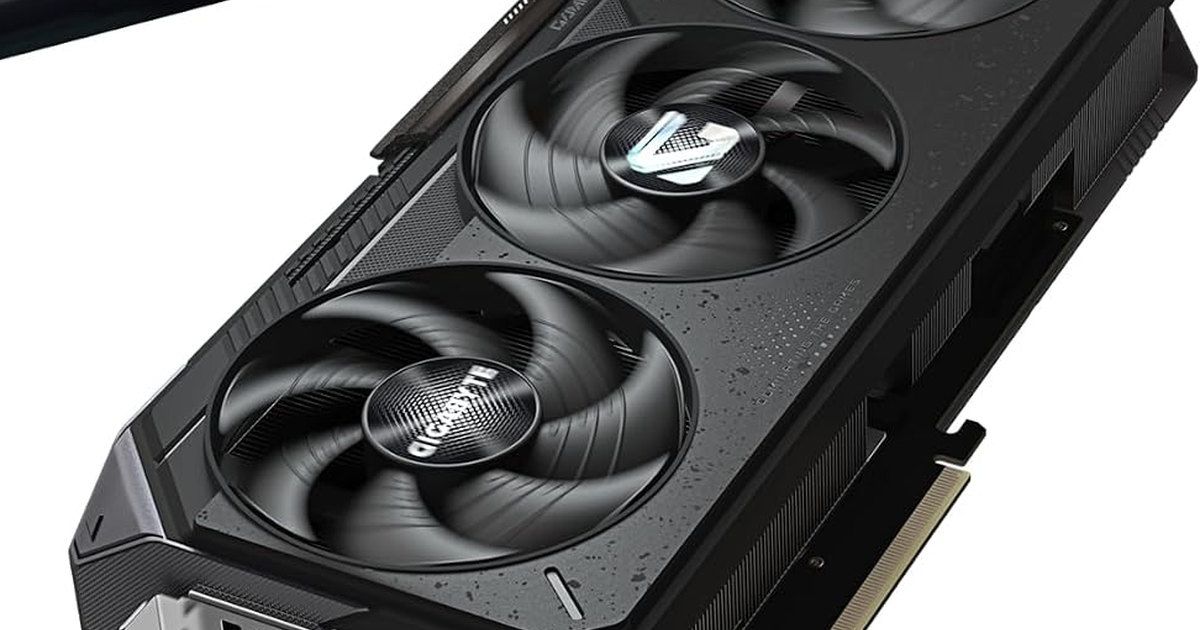
Watch the partner model. Two cards in our selection go beyond AMD’s floor: the GIGABYTE RX 9070 XT GAMING 16G officially asks for three 8-pin connectors and an 850 W power supply, and the Sapphire Nitro+ Crimson Desert uses a 12V-2x6 connector, with a typical board power of 330 W and, again, an official minimum of 850 W.
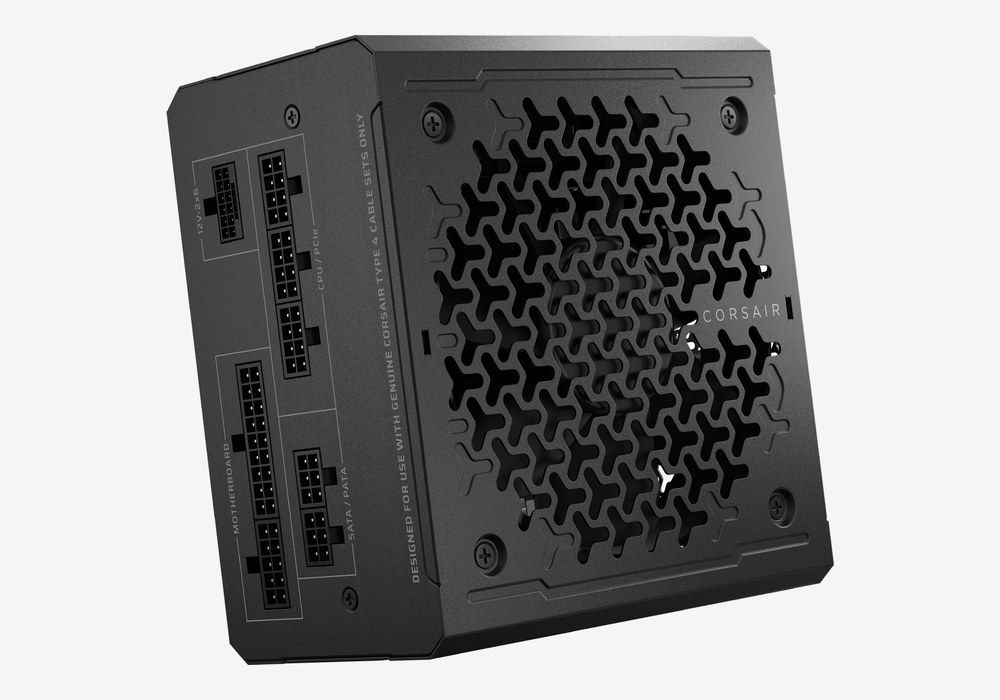
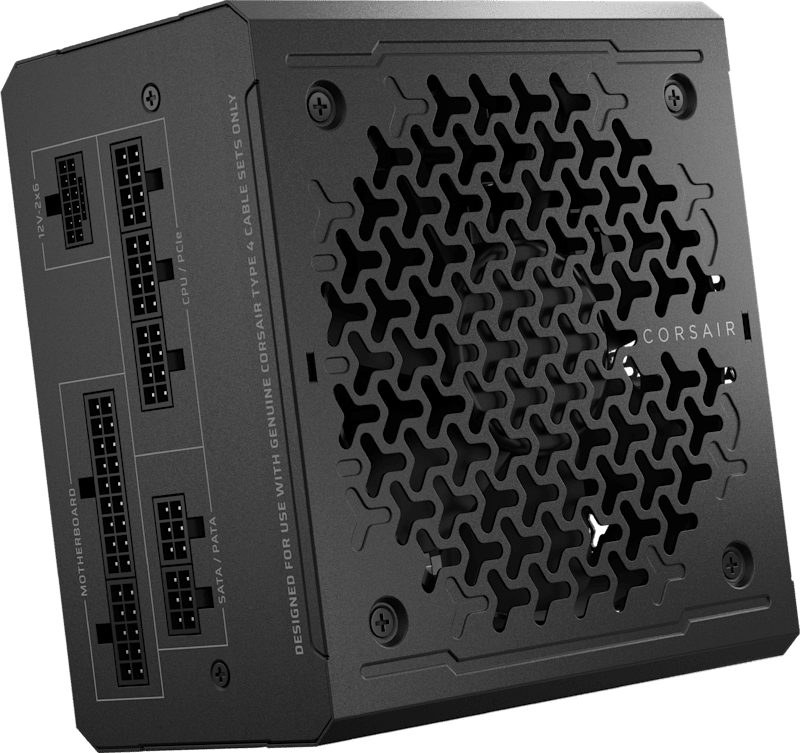
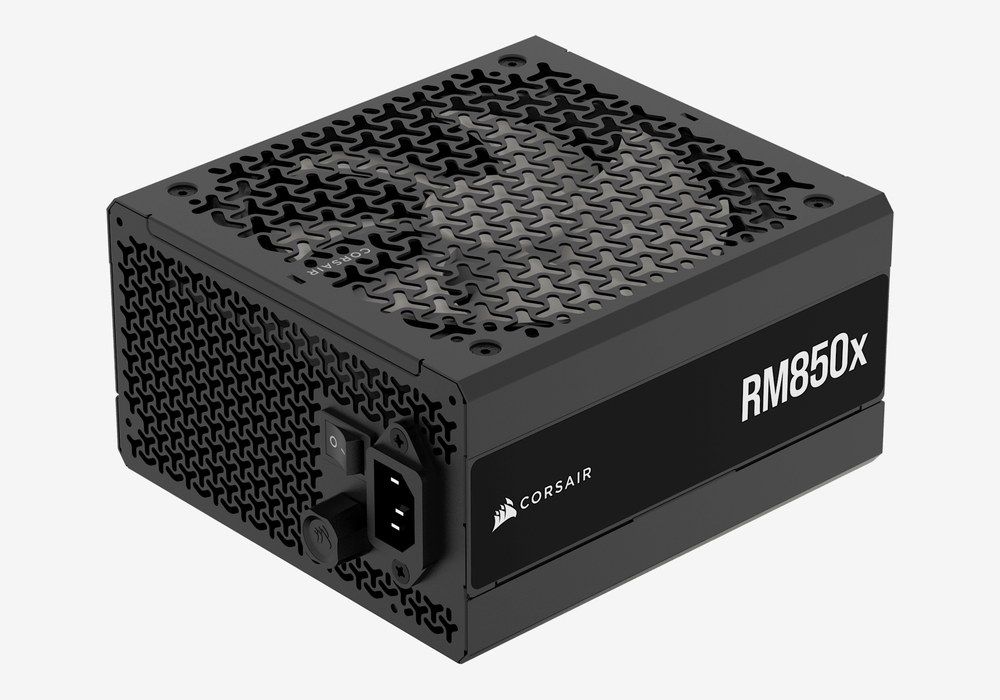
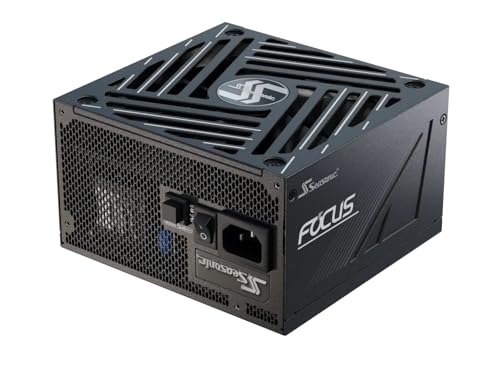
In short: a solid 750 W ATX 3.1 unit is enough for a Ryzen 5 or a Core i5 as long as your card stays close to the AMD reference. As soon as you have a Ryzen 7 / Core i7 or higher, or a partner card rated at 850 W, step up to an 850 W ATX 3.1 unit with the right cables. A 650 W unit already in the case still sits below all of these recommendations.
This guide is focused on the RX 9070 XT. For the NVIDIA side, see which power supply for an RTX 5070, 5070 Ti, 5080 or 5090. To pair the right CPU with this card, use our CPU guide for the RX 9070 XT.