Best Gaming Motherboard 2026 - Comprehensive Comparison ASUS, MSI, Gigabyte, ASRock

Gaming motherboard Best gaming motherboard Gaming motherboard comparison

Discover the 2026 comparison of the best gaming motherboards: ASUS, MSI, Gigabyte, and ASRock. ATX, mATX, ITX formats, CPU compatibilities (Intel & AMD), performances, connectors, and buying tips for your gaming PC.

Why is the motherboard essential for a gaming PC?

The motherboard is a bit like the heart of your setup: it supports the processor, RAM, storage, graphics card, and determines upgrade possibilities. A good choice of gaming motherboard does not simply consist of choosing the most expensive one, but of finding the right compromise between features, compatibility (socket, chipset), form factor, cooling, and budget.

By 2026, a few key points emerge:

  • The DDR5 memory support is almost essential on recent chipsets.
  • The support of PCIe Gen5 / Fast M.2 / multiple SSDs is becoming more and more present.
  • The socket and the chipset must match your processor r (Intel or AMD) and plan for future growth.
  • The format ATX / mATX / ITX ) will depend on your case, scalability, and budget.

If you choose the wrong motherboard, you can quickly be limited in future upgrades, or end up with a poorly utilized processor or graphics card. So yes, it's worth taking the time.

Motherboard formats: what choice for your gaming PC

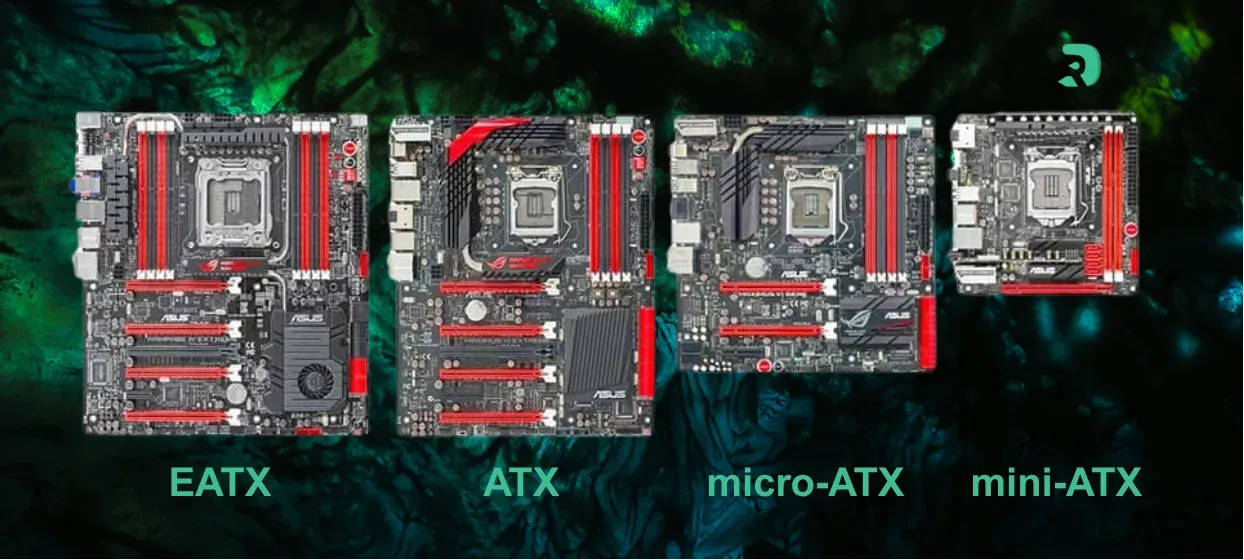
carte-mere-format Click to enlarge

Before we get into brands and models, let's look at the formats:

ATX (Standard)

It is the most common format in gaming : large, many PCIe slots, RAM, M.2, a good number of connectors. If you have a medium/large case, it is often the best choice.

mATX (Micro ATX)

One slightly more compact than the ATX , fewer possible PCIe slots but often sufficient for a gaming PC. Ideal if you want a smaller case or a more affordable budget.

ITX (Mini-ITX)

Very compact format. Perfect for a "small form factor" gaming PC. But the compromise: often only one PCIe slot (limiting the graphics card/extension), fewer RAM slots, sometimes hotter/less upgrade options.

Choose the right format

  • If you want maximum scalability, ATX is the "safe" format .
  • If you want a more compact or more economical PC, mATX can do its job very well .
  • If you want an ultra-compact case, ITX is great but accepts compromises .
  • Make sure of the case you are using (dimensions, airflow) and the connections you need (M.2 slots, USB, etc).

Brands and subtleties: which motherboard, which brand?

Let's move on to brands. In the world of gaming motherboards , we mainly find ASUS, MSI, Gigabyte, ASRock. There are differences in terms of quality, after-sales service, features, but also in philosophy.

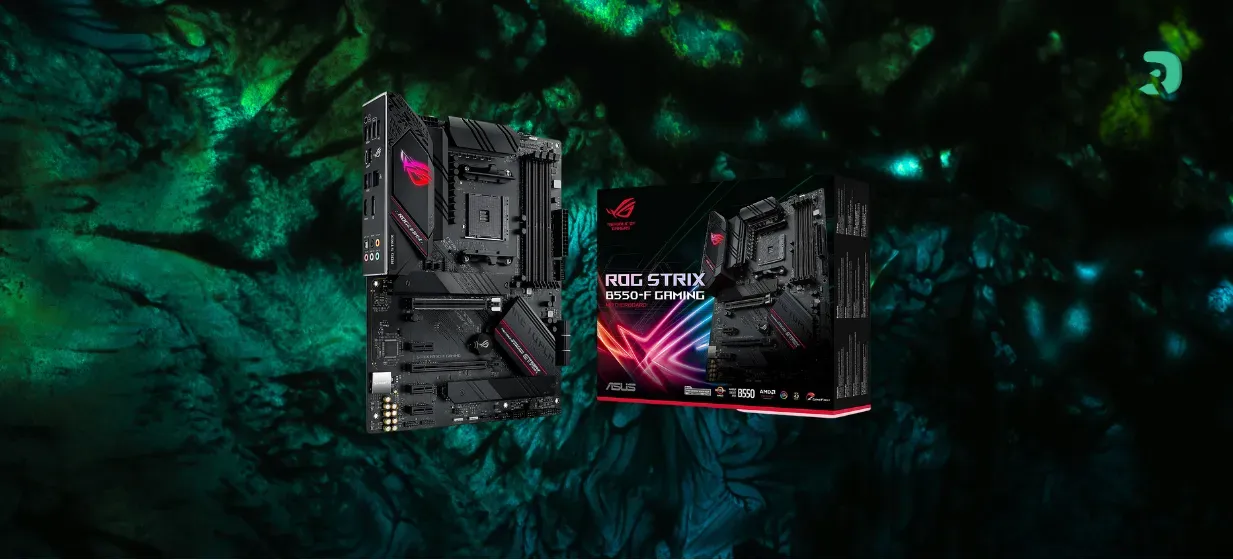
ASUS

carte-mere-asus Click to enlarge
  • ASUS is very present in the high-end gaming/enthusiast (series ROG, TUF). For example, they recommend the "ROG Strix X870E-E Gaming WiFi" as a high-end choice.
  • Advantages: excellent finish , Rich BIOS, overclocking options for enthusiasts.
  • Disadvantage: often higher price , and some user feedback mentions bugs or room for improvement in after-sales service.

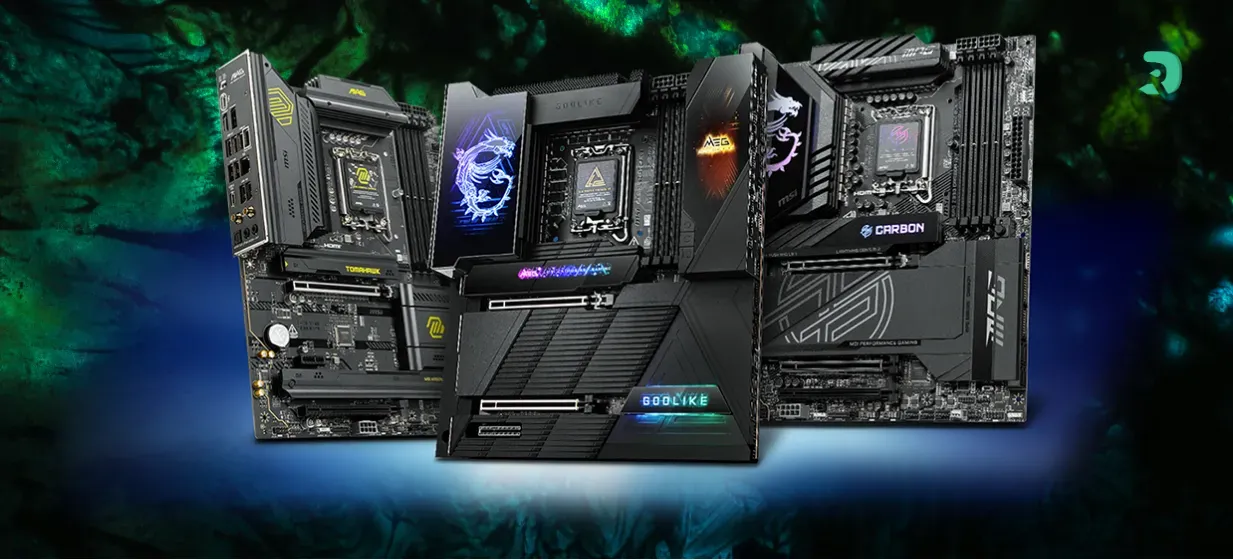
MSI

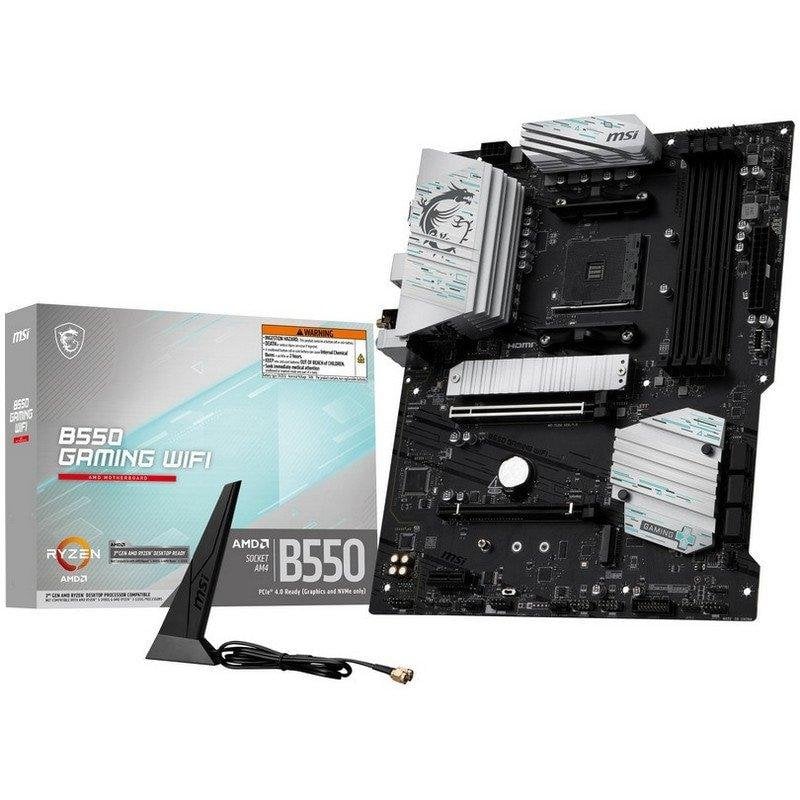
carte-mere-msi Click to enlarge
  • MSI offers a very good balance between pure gaming and budget/quality One reads that "Most users accept the MSI MEG Z890 ACE as the best PC motherboard for gaming".
  • Advantages: good value for money , varied range, good support.
  • Disadvantage: sometimes design less "premium" than ASUS , some "enthusiastic" functions missing.

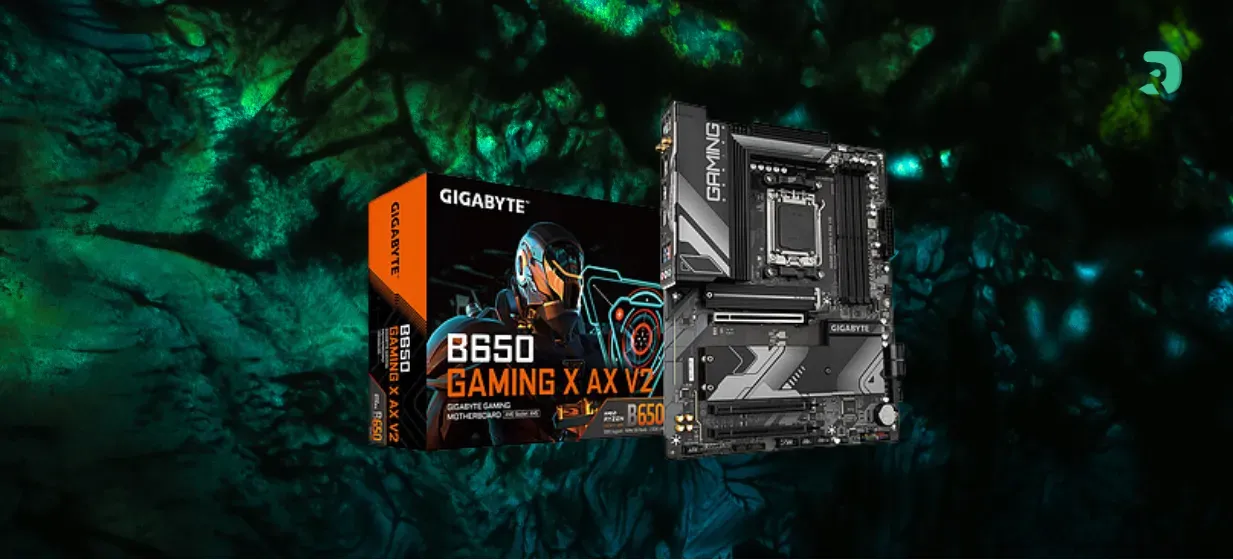
Gigabyte

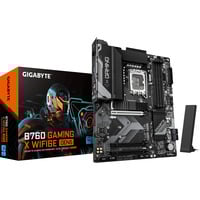
carte-mere-gigabyte Click to enlarge
  • Gigabyte aims towards versatility and "value for money" One reads that "Gigabyte, Versatility and value for both Intel and AMD".
  • Some negative feedback mentions software or driver quirks: “Most of my issues with Gigabyte are due to weird designs and awful software…”
  • Basically, Gigabyte is very good for the value for money , but may require a little more attention in updating BIOS/drivers.

Personally, we highly recommend Gigabyte at DropReference because it is very economical and very economically viable!

ASRock

carte-mere-asus Click to enlarge
  • Less highlighted in the high-end gaming "enthusiastic" as ASUS/MSI, but often very good for budget/balanced. User example: “MSI and ASRock on the other hand have been perfect.”
  • If you're aiming for a tighter budget, ASRock is a brand to consider .

Quick summary

Criteria for choosing a gaming motherboard in 2026

To choose the best gaming motherboard, here are the important criteria to analyze:

  • Socket & Chipset: It must match the CPU. Example: for AMD-AM5 (Ryzen 7000/8000/9000) or Intel LGA 1851.
  • Memory support: DDR5 has become the standard for recent gaming motherboards.
  • VRM / power supply / cooling: For gaming + potential overclocking, a good power stage is important.
  • Expansion slots & M.2: Number of PCIe slots (graphics card, add-ons), number of M.2 SSD slots, SATA ports. Example for a high-end AMD AM5 board: 4×M.2, 4×SATA.
  • Connectivity & network: WiFi 7, Ethernet 2.5G/10G, USB4/Thunderbolt according to needs.
  • Case format & compatibility: ATX / mATX / ITX depending on your case and upgrade goals.
  • Price / budget: You have to know what you will use. Only overpay for features that you will actually use.
  • Availability & stocks: Check that the model is available in your country (Australia, France, etc) and if there are any promotions/low stocks.
  • Brand & support: BIOS, drivers, reliability - a good customer service can make the difference.

Top gaming motherboards recommendations (2026)

With DropReference, you have access to stocks in real time and also to the filter that classifies motherboards according to their popularity (from most popular to least popular):

Choose your delivery country to see prices based on your location

Filters

GIGABYTE B850 GAMING WF6 AM5 ATX

134€

(13 Vendors)
Processor Type: AMD
Top brand Standard size Overclock CPU Built-in Wi-Fi USB-C / fast USB
GIGABYTE B650 EAGLE AX Black AM5 ATX

125€

(15 Vendors)
Processor Type: AMD
Top brand Standard size Overclock CPU Built-in Wi-Fi USB-C / fast USB
MSI B550M PRO-VDH WIFI AM4 mATX Black

89€

(15 Vendors)
Processor Type: AMD
Top brand Standard size Overclock CPU Built-in Wi-Fi
MSI B850 Gaming Plus WiFi ATX AM5

148€

(15 Vendors)
Processor Type: AMD
Top brand Standard size Overclock CPU Built-in Wi-Fi USB-C / fast USB
GIGABYTE B650M GAMING WIFI6E AM5 mATX

95€

(12 Vendors)
4 (1)
Processor Type: AMD
Top brand Standard size Overclock CPU Built-in Wi-Fi
MSI B850 GAMING PLUS WIFI6E ATX AM5

144€

(12 Vendors)
Color: White
Top brand Standard size Overclock CPU Built-in Wi-Fi USB-C / fast USB
ASUS TUF GAMING B850-PLUS WIFI ATX AM5

175€

(15 Vendors)
Processor Type: AMD
Top brand Standard size Overclock CPU Built-in Wi-Fi USB-C / fast USB
Gigabyte B850 AORUS ELITE WIFI7 AM5 4x DDR5 M.2 Gen5

195€

(14 Vendors)
Processor Type: AMD
Top brand Standard size Overclock CPU Built-in Wi-Fi USB-C / fast USB
GIGABYTE B550 GAMING X V2 Black PCIe 4.0 Ready

87€

(14 Vendors)
Processor Type: AMD
Top brand Standard size Overclock CPU USB-C / fast USB
MSI 7E80-002R PRO 850-S WiFi 6E AM5 ATX

125€

(11 Vendors)
Processor Type: AMD
Top brand Standard size Overclock CPU Built-in Wi-Fi USB-C / fast USB
GIGABYTE B850 AORUS ELITE WiFi7 Ice ATX

188€

(16 Vendors)
Color: White
Top brand Standard size Overclock CPU Built-in Wi-Fi USB-C / fast USB
GIGABYTE B650 EAGLE AM5 Black

116€

(14 Vendors)
Processor Type: AMD
Top brand Standard size Overclock CPU USB-C / fast USB
Gigabyte B550M K AM4

69€

(15 Vendors)
Processor Type: AMD
Top brand Standard size Overclock CPU
GIGABYTE B550 EAGLE AM4 PCIe 4.0 DDR4-3200

87€

(16 Vendors)
Processor Type: AMD
Top brand Standard size Overclock CPU USB-C / fast USB
ASUS B850 MAX GAMING WIFI AM5 ATX White

167€

(11 Vendors)
Processor Type: AMD
Top brand Standard size Overclock CPU Built-in Wi-Fi USB-C / fast USB
ASUS TUF GAMING B650-PLUS AM5 ATX

135€

(14 Vendors)
Processor Type: AMD
Top brand Standard size Overclock CPU USB-C / fast USB
Gigabyte B550M GAMING X WIFI6 Micro ATX AM4 5+3 VRM

96€

(12 Vendors)
Processor Type: AMD
Top brand Standard size Overclock CPU Built-in Wi-Fi
Gigabyte B850 Eagle Ice AM5 DDR5

161€

(13 Vendors)
Processor Type: AMD
Top brand Standard size Overclock CPU USB-C / fast USB
MSI B550 GAMING WIFI ATX AM4 DDR4

104€

(8 Vendors)
Processor Type: AMD
Top brand Standard size Overclock CPU Built-in Wi-Fi USB-C / fast USB
MSI B850M GAMING PLUS WIFI6E AM5 Micro ATX

128€

(10 Vendors)
Form Factor: Micro ATX
Top brand Standard size Overclock CPU Built-in Wi-Fi USB-C / fast USB
ASRock B550M-HDV AM4 mATX Black

61€

(10 Vendors)
Processor Type: AMD
Good brand Standard size Overclock CPU
GIGABYTE A520M K V2 AM4 mATX PCIe Gen3

45€

(11 Vendors)
Form Factor: Micro ATX
Top brand Entry-level Standard size
ASRock X870E Pro RS AM5 ATX 64GB RAM

175€

(14 Vendors)
Processor Type: AMD
Good brand Standard size Overclock CPU USB-C / fast USB
MSI B550M PRO-VDH AM4 M-ATX Black

85€

(12 Vendors)
Processor Type: AMD
Top brand Standard size Overclock CPU
MSI PRO A620AM-B EVO AM5 DDR5 ATX

70€

(9 Vendors)
Processor Type: AMD
Top brand Entry-level Standard size USB-C / fast USB

Which motherboard according to your budget & usage?

Here is how to guide your choice according to your profile:

  • Small budget / 1080p / 1440p gaming PC reasonable: aim for a mid/budget model like Gigabyte B850M Gaming Plus or MSI B850 Tomahawk MAX WiFi.
  • Standard usage gaming 1440p / 4K light: a mid/good model like MSI MAG B850M or ASUS ROG STRIX B850-A Gaming WiFi.
  • Gaming 4K usage / overclocking / future-proof: aim for high-end Intel or AMD like Gigabyte Z890 AORUS ELITE AX or ASUS Z890-AYW.
  • Specific format (compact case): microATX (mATX) or ITX depending on your case. Make sure to check the slots and ventilation carefully.

FAQ - Gaming motherboard 2026

❓What is the best gaming motherboard in 2026?

The best gaming motherboard depends on your processor (AMD or Intel) and your budget. For AMD: MSI MAG B850M Gaming WiFi and ASUS ROG STRIX B850-A Gaming WiFi dominate the market. For Intel: Gigabyte Z790 AORUS Elite AX and MSI Z790 Gaming Plus WiFi offer the best balance of performance/price.

❓What is the difference between an ATX, mATX, and ITX motherboard?

ATX: standard format, more PCIe slots, ideal for scalable configurations. mATX (Micro-ATX): more compact, good size/price ratio. ITX (Mini-ITX): ultra-compact, perfect for discreet desktop PCs but less expandable.

Do you need a DDR5 motherboard to play in 2026?

Yes, DDR5 is becoming the standard: better bandwidth, lower latencies, and compatibility with recent chipsets (Intel 800 series (Z890), AMD AM5). DDR4 motherboards are now limited to older CPU generations.

❓Which motherboard brand to choose for gaming?

The four major brands remain: ASUS, MSI, Gigabyte, and ASRock. ASUS = high-end and premium finishes. MSI = excellent stability and value for money. Gigabyte = good overall compromise. ASRock = budget or secondary PC.

❓Does a motherboard influence FPS in games?

Indirectly: it does not increase FPS, but a good motherboard stabilizes voltages, allows CPU/RAM overclocking, and prevents throttling or crashes, which improves performance consistency.

❓How to know if my motherboard is compatible with my processor?

Check the socket (e.g.: LGA1700 for Intel, AM5 for AMD) and the chipset (B850, Z890, etc.). Each processor is only compatible with certain chipsets: AMD Ryzen 7000/8000 → B850 / X670 / A620 Intel 13th / 14th gen → B760 / Z790 / H770

❓Which motherboard to choose for overclocking your CPU?

Choose a Z-series motherboard from Intel (Z890) or an X-series from AMD (X870E). They have reinforced VRMs and a complete BIOS to manage voltage/frequencies.

Can we install a PCIe 5 graphics card on a PCIe 4 motherboard?

Yes, the PCIe standard is backward compatible. You will be able to use a PCIe 5.0 graphics card on a PCIe 4.0 motherboard, but it will operate at PCIe 4.0 speed.

❓Which motherboard to choose for a small case?

Opt for a mATX (like the MSI B850M Gaming WiFi) or a Mini-ITX (ASUS ROG STRIX B850-I). Check the cooling and the number of connectors before purchasing.

❓What are the pitfalls to avoid?

Buy a card that is not compatible with your CPU.

Forget about the case size (an ATX won't fit in a mini case).

Under-dimensioning the connectors (not enough M.2, USB ports, etc.).

Neglecting the BIOS: always check the version before installation.

Conclusion

In 2026, the gaming motherboard market has matured nicely. On AMD AM5, the B850 is the obvious pick for most gamers — solid VRMs, great connectivity, reasonable price. The X870E is your ticket for serious overclocking and maximum I/O. On Intel, Z890 on LGA 1851 does the job for Core Ultra builds. Whatever you pick: check CPU/socket compatibility, match the form factor to your case, and don't overpay for features you'll never use. The board above shows live stock on DropReference — best starting point for comparison.