- 1What the Ryzen 7 9800X3D really asks of its cooler
- 29800X3D: what the reviews actually measured
- 3Budget pick: Thermalright Peerless Assassin 120 SE
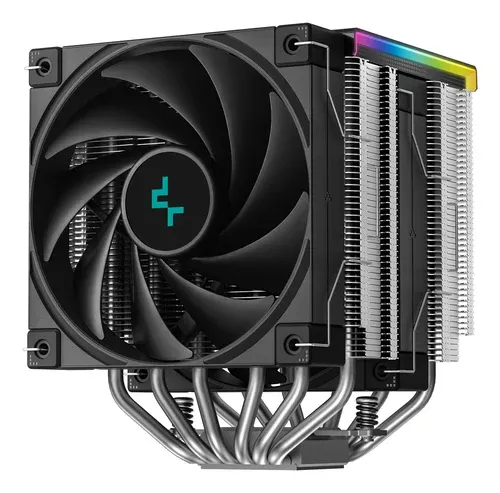
- 4Mid-range: Deepcool AK620 Digital SE
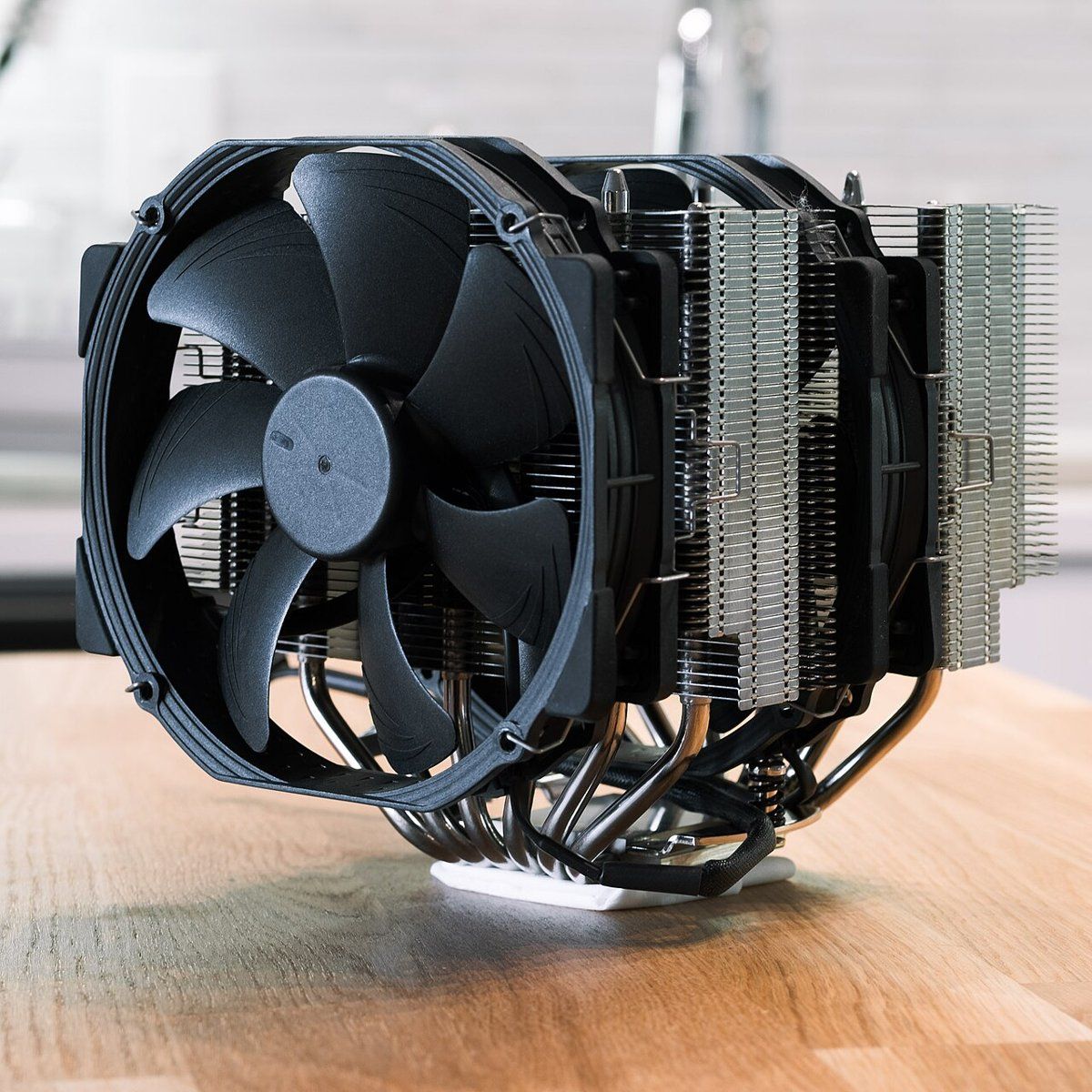
- 5Quiet premium: Noctua NH-D15 G2 or be quiet! Dark Rock Pro 5
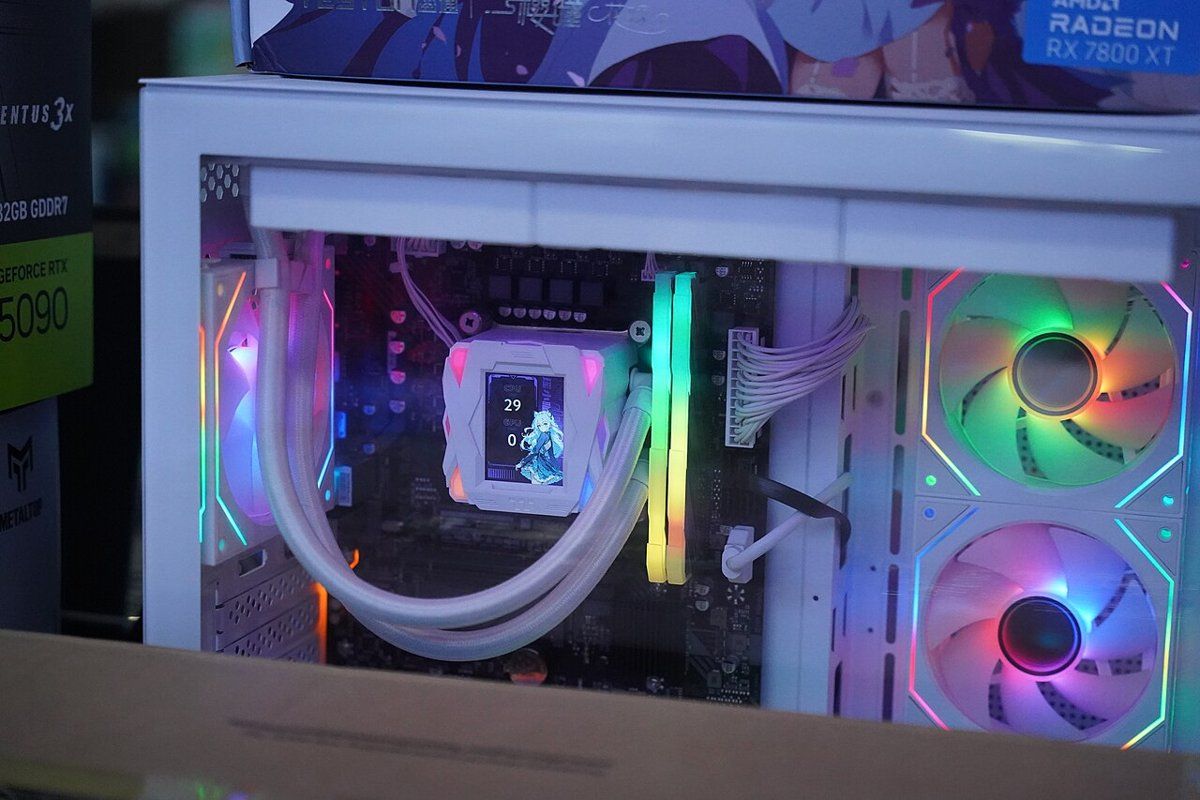
- 6360 AIO: ARCTIC Liquid Freezer III Pro 360
- 7Air cooler or AIO for a 9800X3D?
- 8Checklist before you buy
- 99800X3D cooler FAQ
- 10Conclusion: which cooler for your Ryzen 7 9800X3D?
The Ryzen 7 9800X3D ships without a cooler. AMD rates it at a 120 W TDP with a maximum operating temperature (Tjmax) of 95 °C, and its spec page says “liquid cooling recommended for optimal performance”. In practice the chip can draw up to 162 W of PPT (the socket power limit, per TweakTown).
The good news: second-generation 3D V-Cache now sits under the cores instead of on top. According to AMD, quoted by TechSpot, thermal resistance on the core side drops by 46%. In its review, TechSpot measured an average of 118 W in Cinebench 2024, with the CCD never going above 79 °C and the L3 cache at 56 °C, cooled by a 360 mm AIO (MSI MAG Coreliquid I360).
Click to enlarge
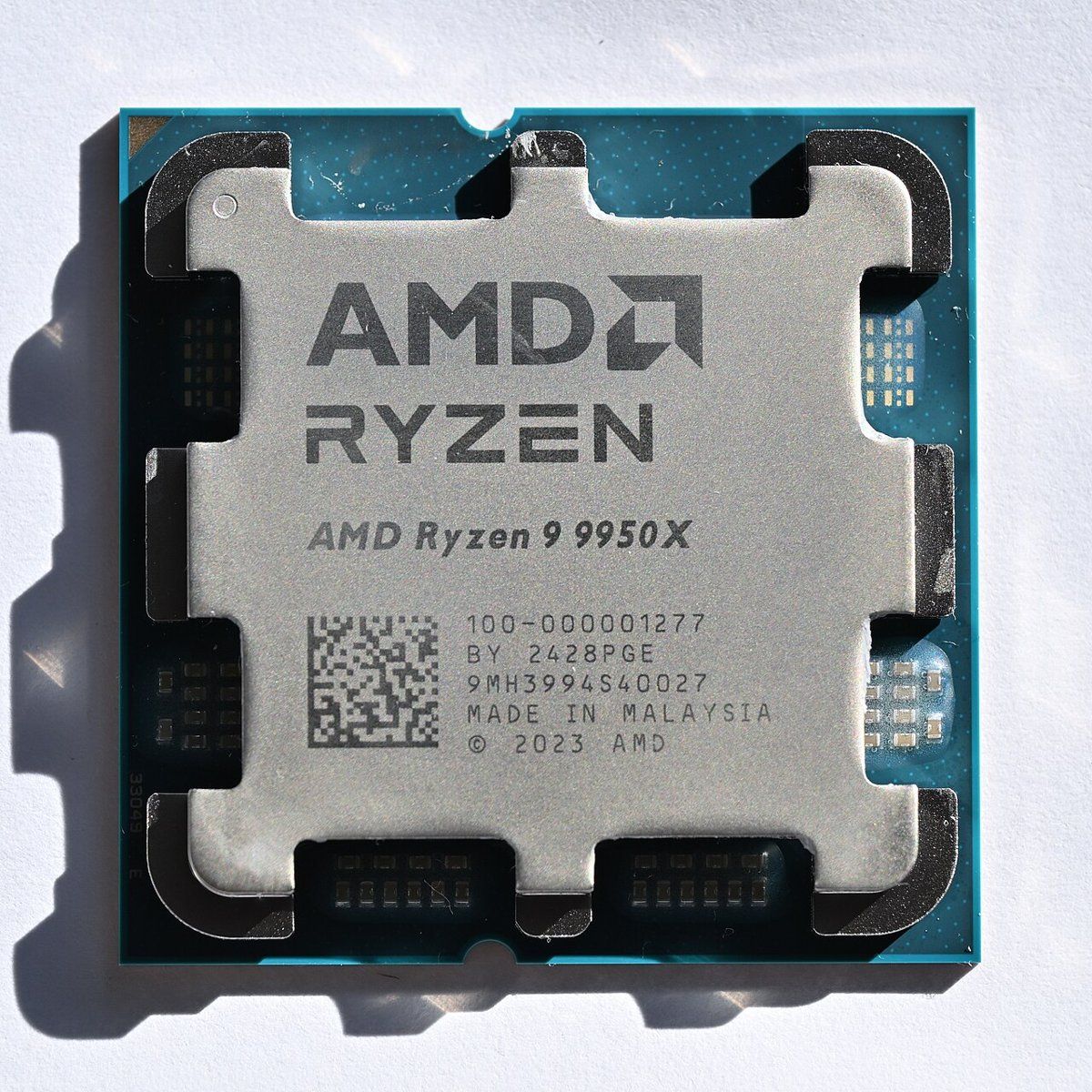
A Ryzen 9 9950X, from the same AM5 Ryzen 9000 generation as the 9800X3D — photo 4300streetcar, CC BY 4.0, via Wikimedia Commons.
Bottom line: the 9800X3D is no space heater like some Core i9 chips, but it runs warmer than the 7800X3D. A good twin-tower cooler is enough for a gaming PC; a 360 AIO makes sense if you want more headroom under heavy load or a quieter system. For the basics (TDP, height, fans), see our guide to choosing a CPU cooler.